
The complete guide
Transform Your Outdoor Space: The Complete Guide to Concrete Paver Moulds and DIY Patio Creation
Transform Your Outdoor Space: The Complete Guide to Concrete Paver Moulds and DIY Patio Creation
Have you ever dreamed of creating a stunning patio that rivals those featured in home and garden magazines, but without the eye-watering contractor bills? What if I told you that the secret to professional-looking outdoor spaces lies in a simple tool that fits in your garage and costs less than a weekend getaway? Welcome to the world of concrete paver moulds, your gateway to transforming ordinary concrete into extraordinary outdoor masterpieces.
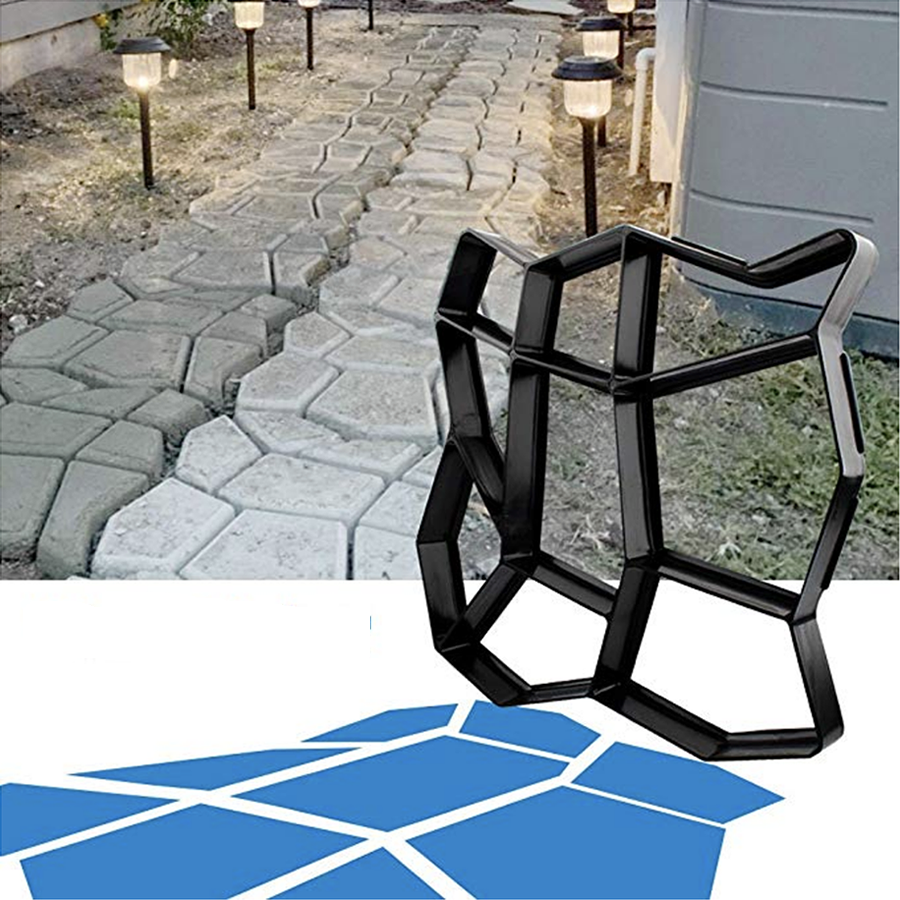
The beauty of using a concrete paver mould isn't just about saving money, though that's certainly a compelling reason. It's about unleashing your creativity and taking complete control over your outdoor space's design. Think of these moulds as your personal concrete factory, where you're the architect, engineer, and craftsperson all rolled into one. Every paver you create carries your unique touch, making your outdoor space truly one-of-a-kind.
But here's what most people don't realize when they first discover concrete moulds: success isn't just about pouring concrete into a form and hoping for the best. There's an art and science to creating pavers that not only look professional but also stand the test of time and weather. Let's dive into this fascinating world where creativity meets practicality.
Understanding the Fundamentals of Concrete Paver Moulds
What Makes a Quality Concrete Paver Mould?
A quality concrete paver mould is like a master chef's favorite pan, it might look simple on the surface, but the details make all the difference. The best moulds combine durability, precision, and ease of use in ways that transform the paver-making process from a chore into a genuinely enjoyable creative endeavor.
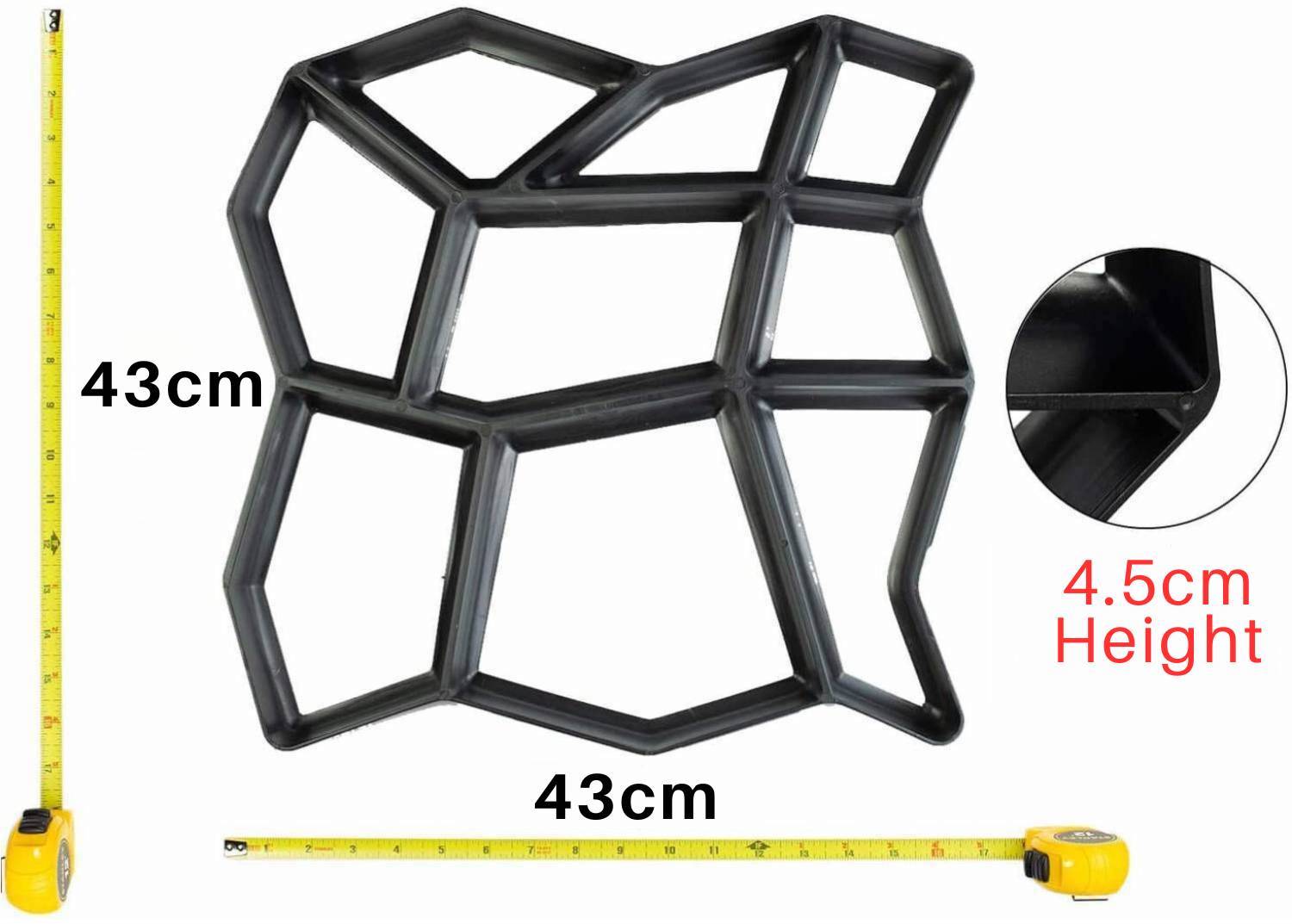
Material selection forms the foundation of mould quality. High-grade plastic moulds offer excellent detail reproduction and resist the alkaline nature of concrete that can degrade inferior materials over time. The plastic must be flexible enough to allow easy removal of finished pavers while maintaining dimensional stability that ensures consistent results batch after batch.
Wall thickness plays a crucial role in mould longevity and performance. Thin walls may seem economical initially, but they flex excessively under concrete pressure, leading to dimensional variations and premature failure. Quality moulds feature optimized wall thickness that balances flexibility with structural integrity, ensuring hundreds of uses while maintaining precise dimensions.
Surface finish directly affects the final appearance of your pavers. Premium moulds incorporate subtle textures and details that create natural-looking surfaces, while smooth areas are precisely engineered to achieve uniform finishes. These surface characteristics distinguish professional-looking pavers from obviously homemade alternatives.
The Science Behind Successful Concrete Moulding
Understanding concrete behavior transforms paver making from guesswork into predictable science. Concrete isn't just a mixture of cement, sand, and gravel, it's a complex material system where chemistry, physics, and timing all play critical roles in achieving professional results.
Hydration represents the chemical process that transforms concrete from a plastic, workable mixture into a hard, durable material. This process generates heat and consumes water, creating internal stresses that can cause cracking if not properly managed. Quality patio paving moulds accommodate these natural processes through design features that minimize stress concentrations.
Workability describes concrete's ability to be placed, compacted, and finished without segregation or excessive bleeding. The ideal concrete mixture for mould work balances workability with final strength, ensuring easy placement while achieving surfaces that meet aesthetic and performance requirements.
Curing conditions dramatically affect final paver quality and appearance. Temperature, humidity, and air circulation all influence how concrete develops strength and appearance characteristics. Understanding these relationships helps you optimize curing conditions for consistently excellent results.
Types of Concrete Moulds and Their Applications
Traditional Patio Paving Moulds
Traditional patio paving moulds focus on classic designs that complement a wide range of architectural styles and landscape themes. These moulds typically feature geometric patterns, natural stone textures, or brick-like appearances that provide timeless appeal while offering the flexibility of custom concrete work.
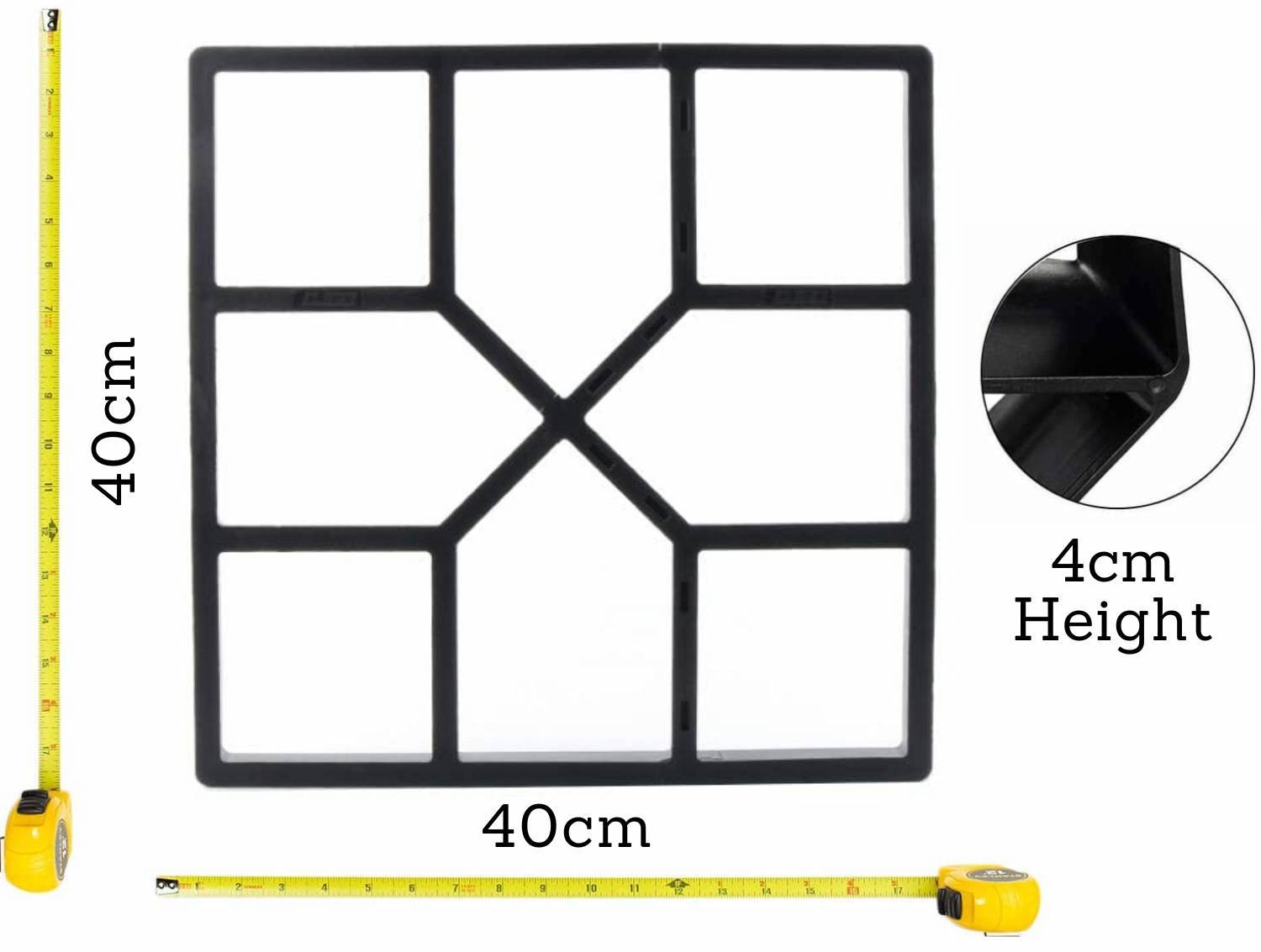
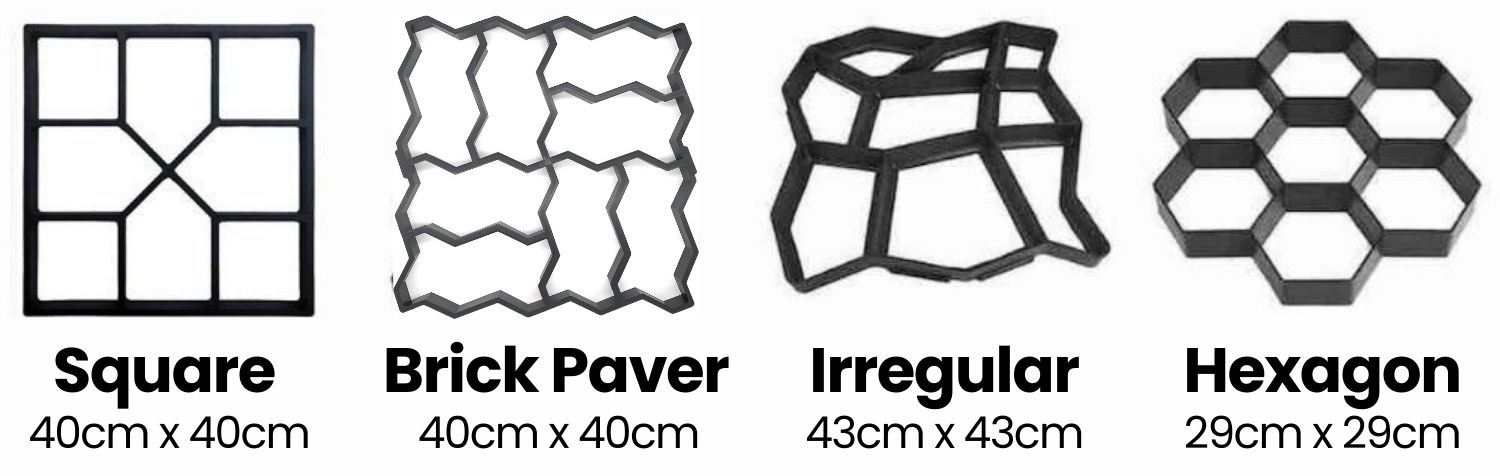
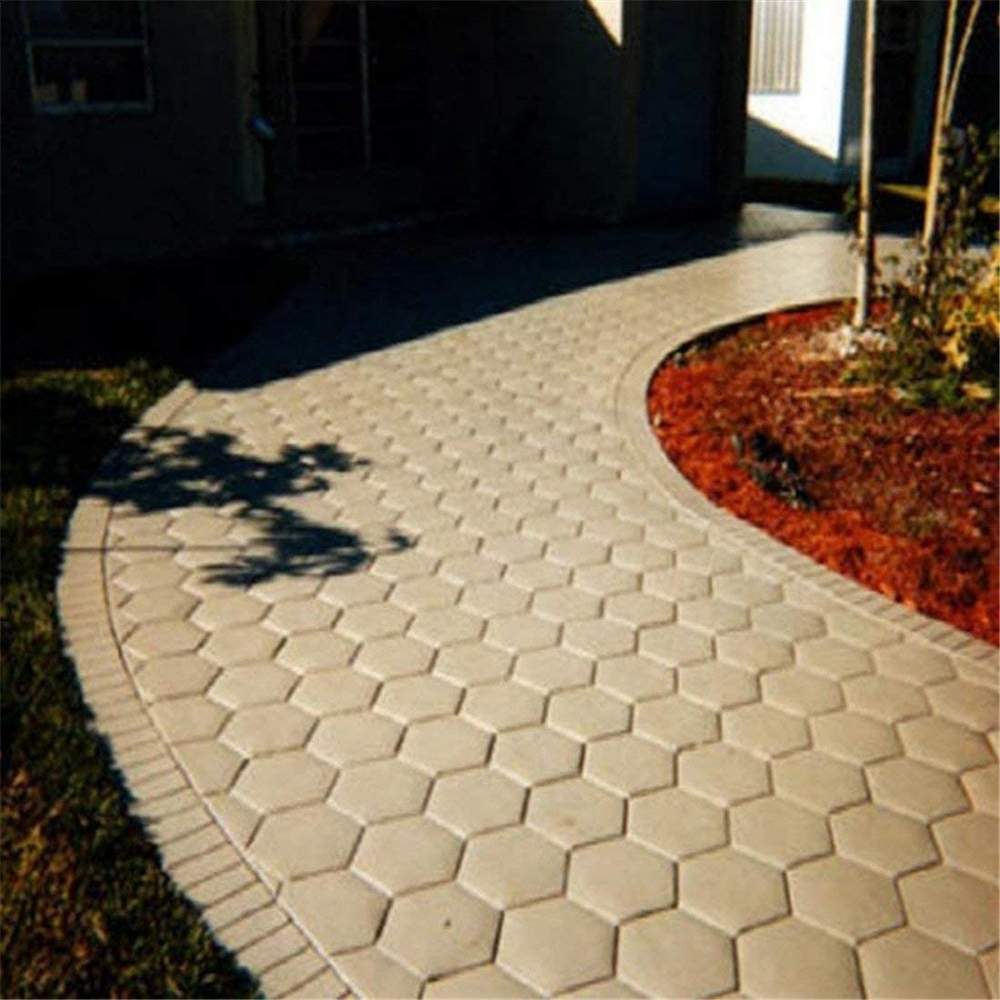
Rectangular and square patterns dominate traditional designs because they're versatile, easy to install, and create clean, orderly appearances that work well in formal landscape settings. These shapes also optimize material usage and simplify layout planning, making them excellent choices for beginners or large projects where efficiency matters.
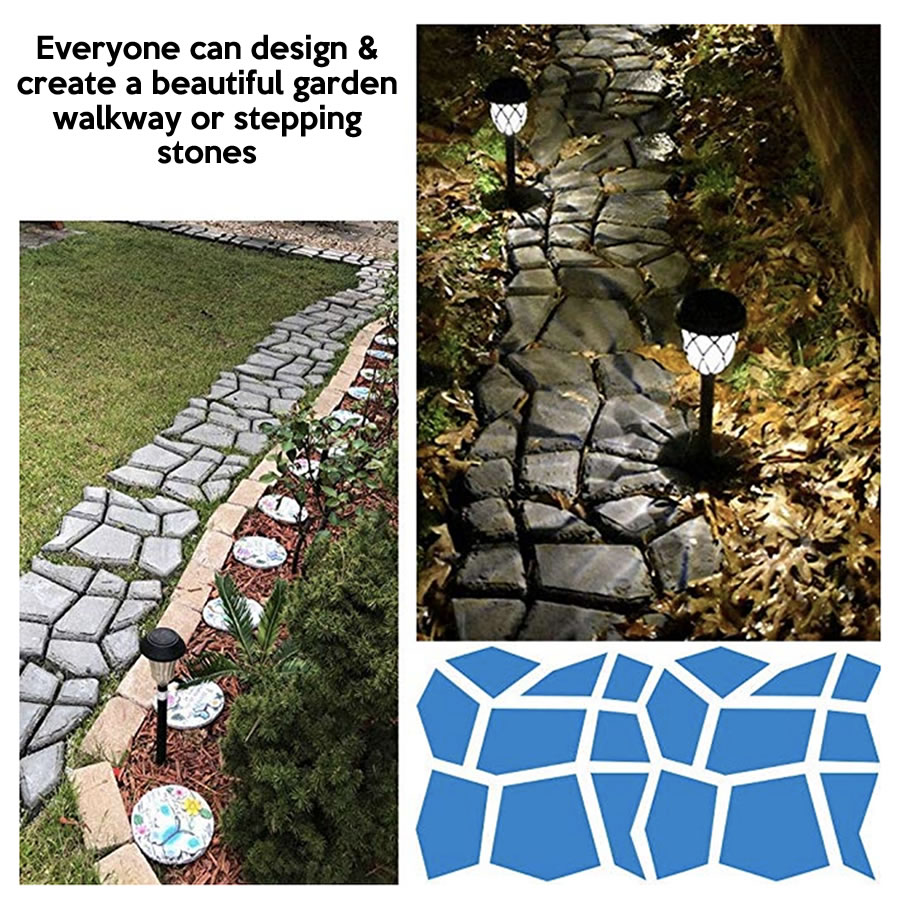
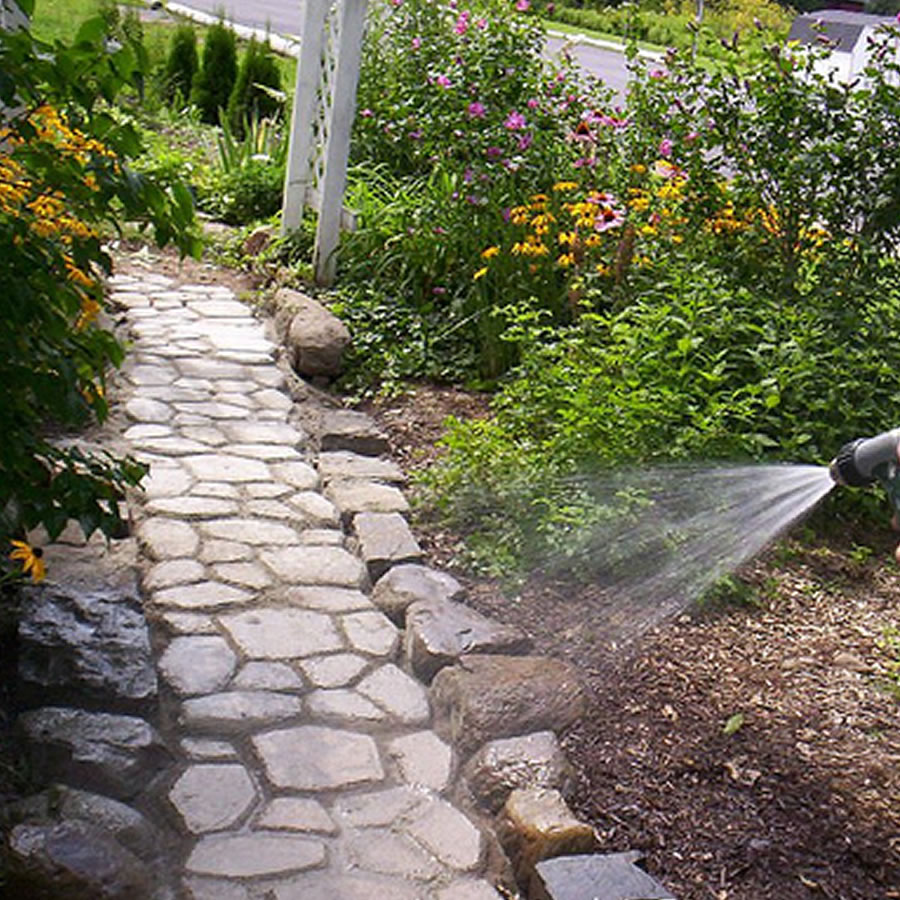
Natural stone replicas represent another popular traditional category, offering the aesthetic appeal of expensive materials like slate, flagstone, or granite at a fraction of the cost. Quality moulds in this category capture subtle surface textures and edge variations that create convincing natural stone appearances.
Brick and cobblestone patterns provide classic European charm that complements traditional architecture beautifully. These moulds often incorporate slight variations in individual unit sizes and surface textures that simulate the irregularities found in historical masonry work.
Contemporary and Decorative Concrete Moulds
Modern landscape design increasingly embraces bold geometric patterns, organic shapes, and innovative textures that push concrete paver design beyond traditional boundaries. Contemporary moulds reflect these trends while maintaining the practical advantages of concrete construction.
Large-format moulds create dramatic visual impact through oversized pavers that minimize joint lines and create smooth, continuous surfaces. These designs work particularly well in modern architectural settings where clean lines and minimal details create sophisticated outdoor spaces.
Organic shapes inspired by natural forms bring flowing, curved elements to outdoor spaces without the complexity and cost of custom masonry work. These moulds might replicate leaf patterns, water-inspired flowing forms, or abstract organic shapes that create visual interest while maintaining functional performance.
Textural innovations in contemporary moulds push creative boundaries through surfaces that interact with light, weather, and foot traffic in interesting ways. Some moulds create pavers with raised patterns that provide texture and slip resistance, while others incorporate smooth and textured areas that create visual contrast.
Specialized Applications and Custom Solutions
Some projects require moulds designed for specific applications or unique design requirements that standard patterns can't accommodate. Specialized moulds address these needs while maintaining the cost and flexibility advantages of concrete construction.
Pool deck applications require moulds that create surfaces with specific slip resistance characteristics while providing the aesthetic appeal expected in premium outdoor spaces. These moulds often incorporate subtle textures that enhance safety without compromising visual appeal or cleaning ease.
Driveway and high-traffic applications need moulds designed to create pavers with enhanced durability and load-bearing capacity. These moulds might feature interlocking designs that distribute loads effectively or patterns that hide the appearance of minor surface wear over time.
Decorative accent applications use specialized moulds to create pavers that serve as focal points or design elements within larger paved areas. These might include medallion patterns, border designs, or artistic elements that add visual interest to otherwise uniform surfaces.
Material Science: Concrete Mix Design for Mould Work
Understanding Concrete Components
Creating exceptional pavers starts with understanding how different concrete components affect final performance and appearance. Each ingredient plays specific roles that influence workability, strength, durability, and aesthetic characteristics of finished pavers.
Cement serves as the binding agent that holds everything together through chemical hydration reactions. The type and quantity of cement directly affect strength development, color characteristics, and long-term durability. Different cement types offer varying performance characteristics that can be optimized for specific applications.
Aggregates make up the bulk of concrete volume and significantly influence both performance and appearance. Sand provides workability and fills voids between larger particles, while gravel or crushed stone provides bulk and strength. The size, shape, and color of aggregates all affect final paver characteristics.
Water enables the hydration reactions that create concrete's binding properties, but the water-to-cement ratio critically affects final strength and durability. Too much water creates weak, porous pavers, while insufficient water prevents proper hydration and creates mixing difficulties.
Admixtures represent specialized chemical additives that modify concrete properties in specific ways. Plasticizers improve workability without adding extra water, while color additives create consistent, fade-resistant coloration throughout the paver thickness.
Optimizing Mix Proportions for Mould Work
Successful mould work requires concrete mixtures optimized for the unique requirements of paver production. These requirements differ from those of cast-in-place concrete, demanding mixtures that balance workability, strength, and surface quality.
Water-to-cement ratios for paver work typically range lower than general construction applications because pavers need maximum surface density and strength. However, the mixture must remain workable enough to fill mould details completely without extensive vibration or compaction.
Aggregate grading becomes critical when working with detailed moulds that incorporate fine surface textures. Overly coarse aggregates may not reproduce fine details accurately, while excessively fine mixtures may lack the strength and durability expected from concrete pavers.
Fiber reinforcement offers significant benefits for mould-produced pavers by reducing shrinkage cracking and improving impact resistance. Synthetic fibers distribute throughout the mixture and provide reinforcement in all directions, unlike conventional reinforcing bars that only work in specific orientations.
Color and Finish Additives
Achieving consistent, attractive colors in concrete pavers requires understanding how different coloring methods affect both appearance and performance. Integral coloring provides the most durable and consistent results, though it requires careful attention to mixture proportions and handling procedures.
Iron oxide pigments represent the most common and reliable coloring agents for concrete work. These pigments resist fading and provide consistent colors that remain stable throughout the paver's service life. However, achieving deep, rich colors often requires significant pigment quantities that can affect concrete strength and workability.
Surface treatments applied after moulding can enhance color depth and provide protective benefits that extend paver life. Sealers protect against staining and weathering while potentially enhancing color intensity and surface appearance.
Special effects additives create unique appearances that distinguish custom pavers from standard products. Metallic additives create sparkling effects, while aggregate exposure techniques reveal decorative stones or glass elements embedded in the paver surface.
Professional Techniques for Using Patio Paving Moulds
Preparation and Setup Procedures
Success with patio paving moulds begins long before you mix your first batch of concrete. Proper preparation creates the foundation for consistent, professional results while preventing common problems that can ruin entire batches of pavers.
Workspace organization affects both productivity and quality. Setting up dedicated areas for mixing, moulding, and curing optimizes workflow while preventing contamination and damage during the production process. Clean, level surfaces provide stable working conditions that ensure consistent mould filling and paver quality.
Mould preparation includes cleaning, inspection, and application of release agents that prevent concrete from sticking to mould surfaces. Quality release agents create smooth paver surfaces while enabling easy demoulding without damage to either the paver or the mould.
Tool preparation ensures you have everything needed within easy reach when time-sensitive concrete work begins. Concrete has limited working time, making preparation and organization critical for successful results.
Mixing Techniques for Optimal Results
Proper mixing technique ensures uniform concrete properties throughout each batch while achieving the workability characteristics needed for successful mould work. Inconsistent mixing creates pavers with varying strength, color, and appearance that compromise project quality.
Dry ingredient blending precedes water addition and ensures uniform distribution of cement, aggregates, and additives throughout the mixture. This preliminary mixing prevents color streaking and strength variations that can occur when ingredients aren't properly distributed.
Water addition requires careful control to achieve target consistency without over-watering that weakens the final product. Adding water gradually while monitoring mixture behavior ensures optimal workability without compromising strength or durability.
Mixing duration affects both workability and uniformity. Insufficient mixing leaves ingredients poorly distributed, while excessive mixing can break down aggregates and affect final paver quality. Experience helps you recognize when mixtures achieve optimal characteristics.
Filling and Compaction Methods
Proper filling technique ensures complete mould coverage while minimizing air voids that can create surface defects or reduce paver strength. Different mould designs may require modified techniques to achieve optimal results.
Vibration helps remove air bubbles and ensures complete filling of detailed mould features. However, excessive vibration can cause segregation where heavy aggregates settle to the bottom while cement paste rises to the surface. Finding the right balance requires practice and attention to concrete behavior.
Leveling techniques create uniform thickness across the paver surface while ensuring adequate material in all mould areas. Proper leveling prevents thin spots that create weak areas or thick spots that waste material and create dimensional variations.
Surface finishing while concrete remains in the mould can enhance appearance and performance characteristics. Light troweling smooths surfaces and brings cement paste to the top for enhanced durability and appearance.
Quality Control and Troubleshooting
Common Defects and Prevention Strategies
Understanding common paver defects and their causes enables proactive prevention strategies that ensure consistent quality throughout your production runs. Most defects result from controllable factors like mixture proportions, handling techniques, or environmental conditions.
Surface voids appear as small holes or pits in finished paver surfaces, typically caused by air bubbles that weren't properly removed during filling and compaction. Prevention involves proper mixing techniques, adequate vibration, and release agent selection that doesn't introduce air.
Color variations within individual pavers or between different pavers indicate inconsistent mixing, segregation during placement, or environmental factors during curing. Systematic mixing procedures and controlled curing conditions minimize these variations.
Edge damage often occurs during demoulding and handling of green concrete pavers. Proper timing of demoulding operations and careful handling techniques prevent edge chips and cracks that compromise appearance and durability.
Dimensional variations between pavers create installation difficulties and compromise final appearance. These variations typically result from inconsistent filling techniques, mould wear, or concrete mixture variations that affect shrinkage characteristics.
Testing and Quality Assurance Procedures
Implementing systematic quality control procedures ensures consistent paver quality while identifying potential problems before they affect large production quantities. Simple field tests provide valuable information about mixture performance and final paver characteristics.
Slump testing monitors concrete consistency and workability, ensuring each batch meets specifications for successful mould work. Consistent slump values indicate uniform mixture properties that produce consistent paver quality.
Visual inspection during production identifies potential problems while corrective action remains possible. Regular inspection of filled moulds, demoulded pavers, and cured products provides early warning of quality issues.
Sample testing involves producing test pavers under controlled conditions to evaluate mixture performance and identify optimal production procedures. These test runs prevent problems during full-scale production while fine-tuning techniques for specific conditions.
Environmental Factor Management
Environmental conditions during production and curing significantly affect paver quality and consistency. Understanding these relationships and implementing appropriate control measures ensures successful results regardless of weather conditions.
Temperature affects concrete behavior throughout the production process. Cold weather slows hydration reactions and may require heating or extended curing periods to achieve proper strength development. Hot weather accelerates reactions and may require cooling strategies or modified mixture designs.
Humidity influences concrete curing and surface appearance. Low humidity can cause rapid surface drying that leads to shrinkage cracking, while high humidity may extend curing times and affect surface characteristics.
Wind accelerates surface drying and can cause rapid moisture loss that affects both workability and final surface quality. Wind protection during production and early curing prevents many weather-related problems.
Creative Applications and Design Possibilities
Pattern Integration and Layout Design
The versatility of concrete paver moulds enables creative pattern combinations that transform ordinary outdoor spaces into stunning design statements. Understanding how different patterns interact and complement each other opens unlimited design possibilities.
Mixing different paver sizes within the same installation creates visual interest while maintaining design cohesion. Large pavers provide stable foundations for furniture and high-traffic areas, while smaller pavers offer flexibility around curves and in detailed areas.
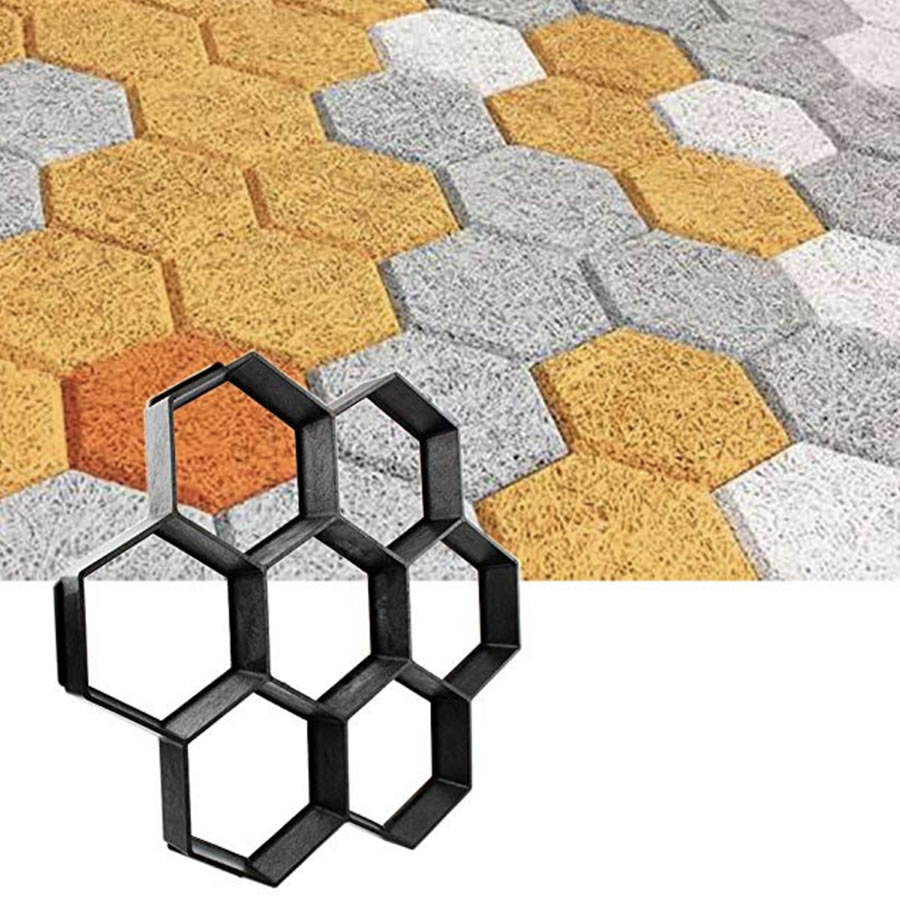
Color gradations using different pigment concentrations create subtle transitions that add depth and sophistication to paved areas. These gradations can follow natural patterns or create geometric progressions that enhance architectural features.
Border and accent integration uses contrasting patterns or colors to define spaces and create visual boundaries. These design elements frame main paved areas while providing opportunities for creative expression and personalization.
Combining Multiple Mould Types
Advanced projects often benefit from combining different concrete moulds to create complex patterns and textures that would be impossible with any single mould type. This approach requires careful planning but offers unlimited creative potential.
Transition techniques between different paver types ensure smooth visual flow while maintaining structural integrity. These transitions might use intermediate sizes or complementary patterns that bridge between different main areas.
Focal point creation uses specialized moulds to produce accent pavers that draw attention and create visual interest. These might include medallion patterns, artistic elements, or functional features like built-in planters or lighting elements.
Scale relationships between different mould types affect overall visual impact and installation ease. Careful selection ensures that different elements work together harmoniously while maintaining practical installation requirements.
Incorporating Decorative Elements
Modern concrete technology enables incorporation of decorative elements that enhance both appearance and functionality of custom pavers. These elements distinguish your work from standard products while providing unique design opportunities.
Aggregate exposure techniques reveal decorative stones, glass, or other materials embedded in the paver surface. These techniques require careful timing and specialized tools but create stunning effects that rival expensive natural materials.
Embedded objects like shells, fossils, or artistic elements become permanent parts of pavers when properly incorporated during the moulding process. These elements must be compatible with concrete chemistry and properly positioned for both aesthetic and structural success.
Surface texturing using specialized tools or techniques creates unique tactile and visual experiences. These textures might simulate natural materials, create artistic patterns, or provide functional benefits like enhanced slip resistance.
Maintenance and Longevity Considerations
Mould Care and Storage
Proper care and storage of your concrete moulds significantly extends their service life while maintaining the quality of pavers they produce. Understanding how to clean, store, and maintain moulds ensures consistent performance throughout their useful lives.
Immediate cleaning after each use prevents concrete buildup that can damage mould surfaces and affect paver quality. Proper cleaning techniques remove all concrete residue without damaging delicate surface textures or dimensional accuracy.
Storage conditions affect mould longevity and performance. Protection from UV exposure, temperature extremes, and mechanical damage preserves mould integrity while preventing warping or cracking that affects paver quality.
Inspection procedures identify wear patterns or damage before they affect paver quality. Regular inspection enables preventive maintenance that extends mould life while ensuring consistent production quality.
Paver Installation and Long-term Performance
The quality of paver installation significantly affects long-term performance and appearance. Understanding proper installation techniques ensures that your custom pavers perform as intended while maintaining their attractive appearance.
Base preparation provides the foundation for long-term paver performance. Proper base materials, compaction, and drainage prevent settlement and movement that can cause cracking or uneven surfaces over time.
Joint filling and sealing protect pavers from water infiltration and freeze-thaw damage while maintaining stable installation geometry. Proper joint materials and installation techniques prevent common failure modes that compromise paver installations.
Maintenance procedures preserve paver appearance and performance throughout their service lives. Regular cleaning, sealing, and minor repairs prevent small problems from becoming major issues requiring expensive remediation.
Seasonal Considerations and Climate Adaptation
Different climates present unique challenges for concrete paver installations that must be addressed through appropriate design, materials, and installation techniques. Understanding these climate-related factors ensures successful long-term performance.
Freeze-thaw resistance requires proper concrete mixture design and installation techniques that prevent water infiltration and ice damage. Air entrainment and proper drainage become critical in climates with regular freeze-thaw cycles.
Thermal expansion accommodates seasonal temperature changes that cause dimensional changes in paved areas. Proper joint design and flexible sealants prevent cracking and displacement caused by thermal stresses.
Drainage design manages water flow and prevents pooling that can cause staining, freeze damage, or slip hazards. Proper slopes and drainage features ensure water moves away from paved areas effectively.
Economic Benefits and Cost Considerations
Initial Investment Analysis
Understanding the economic benefits of concrete paver mould systems requires comprehensive analysis that considers initial investment, ongoing costs, and long-term value creation. This analysis reveals why many homeowners and contractors choose mould systems over traditional alternatives.
Equipment costs for basic mould systems represent minimal investment compared to professional paver installation or premium natural materials. Quality moulds provide hundreds of uses, making the per-paver cost extremely attractive for even modest projects.
Material costs for concrete paver production remain consistently low because basic ingredients are widely available and competitively priced. Bulk purchasing of cement, sand, and gravel further reduces material costs for larger projects.
Labor considerations favor mould systems because production can occur during convenient times without scheduling constraints imposed by professional contractors. Weekend production fits naturally into busy schedules while providing satisfying hands-on work.
Long-term Value Creation
Custom concrete pavers created with quality moulds provide long-term value that extends well beyond initial cost savings. Understanding these value factors helps justify the investment in quality equipment and materials.
Property value enhancement results from attractive, well-installed paver surfaces that increase both curb appeal and functional outdoor living space. Quality installations often return significant portions of their investment through increased property values.
Durability advantages of properly made concrete pavers ensure decades of service with minimal maintenance requirements. Quality materials and construction techniques create surfaces that outperform many premium alternatives while maintaining attractive appearances.
Flexibility benefits enable future modifications and expansions that adapt to changing needs and preferences. Additional pavers can be produced as needed, ensuring perfect color and pattern matches that might be impossible with purchased products.
Comparing Alternatives and Market Options
Evaluating concrete paver moulds against alternative paving solutions requires understanding the true costs and benefits of each approach. This comparison reveals the compelling advantages of mould-based systems for many applications.
Professional installation costs often exceed the total investment in mould systems and materials for comparable projects. Additionally, professional work operates on contractor schedules and may not provide the customization options available with mould systems.
Manufactured pavers limit design options while commanding premium prices that quickly exceed mould system costs. Color and pattern availability remains constrained by manufacturer offerings rather than your creative vision.
Natural materials like stone or slate provide beautiful results but at costs that often exceed reasonable budgets for larger projects. Concrete moulds enable natural stone appearances at fractions of premium material costs.
Environmental Impact and Sustainability
Resource Efficiency and Waste Reduction
Concrete paver mould systems offer significant environmental advantages through efficient resource utilization and waste reduction compared to traditional paving alternatives. Understanding these benefits supports environmentally conscious construction decisions.
Local sourcing of concrete ingredients reduces transportation impacts while supporting local economies. Sand, gravel, and cement are available virtually everywhere, minimizing the energy required for material transportation.
Waste reduction results from precise quantity control that eliminates over-ordering and disposal of excess materials. Mould systems enable production of exact quantities needed while reusing moulds hundreds of times.
Packaging elimination removes the waste associated with individually packaged manufactured pavers. Raw concrete materials typically involve minimal packaging that's easily recyclable or reusable.
Sustainable Material Options
Modern concrete technology enables incorporation of recycled and sustainable materials that enhance environmental performance without compromising quality or appearance. These options support green building initiatives while reducing environmental impact.
Recycled aggregates from construction waste, crushed concrete, or other sources provide sustainable alternatives to virgin materials. These recycled materials often perform as well as virgin aggregates while diverting waste from landfills.
Supplementary cementitious materials like fly ash or slag can partially replace cement while enhancing concrete performance characteristics. These materials utilize industrial byproducts that would otherwise require disposal.
Bio-based admixtures and release agents offer renewable alternatives to petroleum-based products traditionally used in concrete work. These materials provide equivalent performance while supporting sustainable chemistry initiatives.
Carbon Footprint Considerations
Understanding the carbon implications of different paving choices supports environmentally responsible decision-making while identifying opportunities for impact reduction. Concrete paver moulds often provide favorable carbon profiles compared to alternatives.
Transportation impacts significantly affect overall carbon footprints, making local production through mould systems attractive compared to manufactured products requiring long-distance shipping. This advantage increases with project size and distance from manufacturing facilities.
Production efficiency of mould systems eliminates many energy-intensive manufacturing processes required for commercial paver production. Simple mixing and curing processes require minimal energy inputs compared to industrial manufacturing.
Longevity benefits reduce lifecycle carbon impacts through extended service lives that amortize initial carbon investments over decades of use. Quality concrete pavers often outlast alternatives while requiring minimal maintenance inputs.
Future Trends and Innovations
Emerging Technologies in Concrete Moulding
The concrete industry continuously evolves through new technologies that enhance performance, reduce costs, and expand design possibilities. Understanding emerging trends helps you make informed decisions about equipment and technique investments.
3D printing technology increasingly influences mould design and production, enabling complex geometries and custom patterns that were previously impossible or prohibitively expensive. This technology may revolutionize custom mould production for unique projects.
Smart materials that respond to environmental conditions represent emerging opportunities for enhanced paver performance. Self-healing concretes, color-changing materials, and adaptive surface textures may become available for residential applications.
Digital design tools enable precise pattern planning and quantity estimation that optimizes material usage while ensuring design accuracy. These tools integrate with manufacturing processes to streamline production workflows.
Sustainable Innovation Directions
Environmental consciousness drives innovation toward more sustainable concrete technologies and production methods. These developments support green building initiatives while maintaining performance and aesthetic standards.
Carbon capture technologies integrated into concrete production could transform concrete from a carbon-positive to carbon-negative material. These technologies utilize atmospheric CO2 during concrete curing to create permanent carbon storage.
Recycling innovations enable greater utilization of waste materials in concrete production while maintaining or enhancing performance characteristics. Advanced processing techniques expand the range of waste materials suitable for concrete applications.
Renewable energy integration in production processes reduces the carbon footprint of concrete work while potentially reducing long-term costs. Solar-powered mixing and curing systems become increasingly viable as equipment costs decline.
Market Evolution and Consumer Trends
Understanding market trends and evolving consumer preferences guides product development and marketing strategies while identifying emerging opportunities in the concrete mould industry.
DIY culture continues expanding as consumers seek personalized solutions and hands-on experiences that provide satisfaction beyond simple cost savings. This trend favors mould systems that enable creative expression and skill development.
Customization demands increase as consumers reject standardized solutions in favor of personalized products that reflect individual preferences and lifestyle requirements. Mould systems naturally support this customization trend.
Quality consciousness grows as consumers become more educated about product performance and longevity. This awareness favors quality mould systems that produce superior results over cheaper alternatives with limited capabilities.
Conclusion
The world of concrete paver moulds opens doors to creative possibilities that were once reserved for professional contractors with unlimited budgets. Whether you're dreaming of a simple patio transformation or planning an elaborate outdoor entertainment area, these versatile tools put professional-quality results within reach of anyone willing to invest time and effort in learning proper techniques.
What makes concrete moulds truly special isn't just their ability to save money or provide design flexibility, it's the sense of accomplishment that comes from creating something beautiful and functional with your own hands. Every paver you produce carries your personal touch, making your outdoor space a genuine reflection of your creativity and craftsmanship.
The journey from raw concrete to finished outdoor masterpiece requires patience, practice, and attention to detail, but the rewards extend far beyond the immediate project. You're not just creating pavers; you're developing skills, building confidence, and establishing the foundation for future projects that can transform your entire property. The concrete paver mould in your garage isn't just a tool, it's your key to unlimited outdoor design possibilities that grow more valuable with every project you complete.
Remember, every expert was once a beginner who decided to take that first step. Your outdoor transformation story starts with choosing the right mould and mixing that first batch of concrete. Make it count, learn from every pour, and don't be afraid to push creative boundaries. The most stunning outdoor spaces often come from the boldest visions brought to life one paver at a time.