
The complete guide
The Complete Guide to Builders String Line: Your Essential Tool for Perfect Construction and Masonry Work
The Complete Guide to Builders String Line: Your Essential Tool for Perfect Construction and Masonry Work
Have you ever wondered how professional builders and bricklayers achieve those perfectly straight lines that make construction projects look flawless? The secret weapon in every tradesperson's toolkit isn't some high-tech gadget, it's the humble yet indispensable builders string line. This simple tool has been the backbone of quality construction for centuries, and understanding how to choose and use it properly can transform your building projects from amateur attempts to professional masterpieces.
Whether you're laying your first brick wall or you're a seasoned contractor tackling complex structural work, the right string line makes the difference between measurements that are "close enough" and those that meet professional standards. But here's the thing, not all string lines are created equal, and knowing what separates quality from mediocrity could save you hours of rework and frustration.
Understanding the Fundamentals of Builders String Line
What Makes a Quality Builders String Line?
Think of a builders string line as your construction project's GPS system. Just as you wouldn't trust your navigation to a faulty GPS, you shouldn't trust your project's accuracy to substandard string line. The best builders string line combines several critical characteristics: high tensile strength, minimal stretch under tension, weather resistance, and visibility in various lighting conditions.
Professional-grade string line typically uses high-tenacity nylon or polyester fibers that maintain their integrity under stress. These materials resist UV degradation, moisture absorption, and temperature fluctuations that can cause inferior strings to fail at critical moments. When you're working on a project where millimeter precision matters, your string line needs to be as reliable as your measuring tape.
The construction industry has evolved dramatically, but the fundamental need for straight, accurate reference lines hasn't changed. What has changed is the sophistication of materials and manufacturing processes that create today's superior string lines. Modern builders string line undergoes rigorous testing to ensure it meets the demanding requirements of professional construction work.
Historical Evolution of Construction String Lines
Construction workers have used string lines for thousands of years, with evidence of their use dating back to ancient Egyptian pyramid construction. However, the builders string line you use today represents centuries of material science advancement. Early string lines used natural fibers like hemp or cotton, which were prone to stretching, rotting, and breaking under tension.
The introduction of synthetic materials revolutionized string line performance. Nylon, invented in the 1930s, brought unprecedented strength and durability to construction applications. Modern builder nylon string line incorporates advanced polymer chemistry that delivers consistent performance across a wide range of environmental conditions.
Today's string lines aren't just stronger, they're more visible, more consistent, and more reliable than anything previous generations of builders could imagine. This evolution continues as manufacturers develop new materials and treatments that push performance boundaries even further.
The Science Behind Brickies String Line Performance
Material Properties That Matter
When you examine a quality brickies string line under magnification, you'll see a precisely engineered product designed for specific performance characteristics. The individual fibers are twisted together in carefully calculated patterns that distribute load evenly and prevent catastrophic failure at stress concentration points.
Nylon's molecular structure gives it unique properties that make it ideal for construction applications. Its long polymer chains can flex and return to their original shape repeatedly without permanent deformation. This elasticity means your string line maintains accurate positioning even when subjected to varying tensions throughout the day.
The manufacturing process also plays a crucial role in final performance. High-quality brickies string line undergoes heat treatment and stretching processes that pre-stress the fibers and eliminate potential weak points. This manufacturing attention to detail explains why professional-grade string line costs more initially but delivers superior long-term value.
Understanding Load Distribution and Tension
Professional bricklayers understand that proper tensioning is critical for accurate work. Too little tension allows the string to sag, creating curved reference lines that compromise work quality. Too much tension can cause fiber failure or stretch the string beyond its elastic limit, permanently altering its length.
Quality builder nylon string line is engineered to operate within specific tension ranges that optimize both accuracy and longevity. The ideal working tension creates a taut reference line while staying well within the material's elastic limits. This balance ensures your string line maintains its accuracy throughout extended use periods.
Environmental factors also affect tension requirements. Cold weather can cause materials to contract, requiring slight tension adjustments. Hot weather may cause expansion that reduces effective tension. Experienced professionals adjust their tensioning techniques based on ambient conditions to maintain consistent accuracy.
Choosing the Right Builder Nylon String Line for Your Project
Diameter Considerations and Performance Trade-offs
String line diameter affects both visibility and performance characteristics. Thicker strings are more visible at distance and generally stronger, but they also create larger shadows that can affect precise positioning. Thinner strings offer better precision for detail work but may be harder to see in challenging lighting conditions.
Most professional applications use string line diameters between 1.5mm and 3mm. The 2mm diameter represents the sweet spot for most builders, offering excellent visibility while maintaining the flexibility needed for detailed work. However, specialized applications might require different diameter specifications.
When selecting diameter, consider your typical working distances and lighting conditions. Outdoor work in bright sunlight requires different visibility characteristics than indoor work under artificial lighting. The best builders string line for your applications balances visibility, strength, and handling characteristics for your specific working conditions.
Color Selection for Maximum Visibility
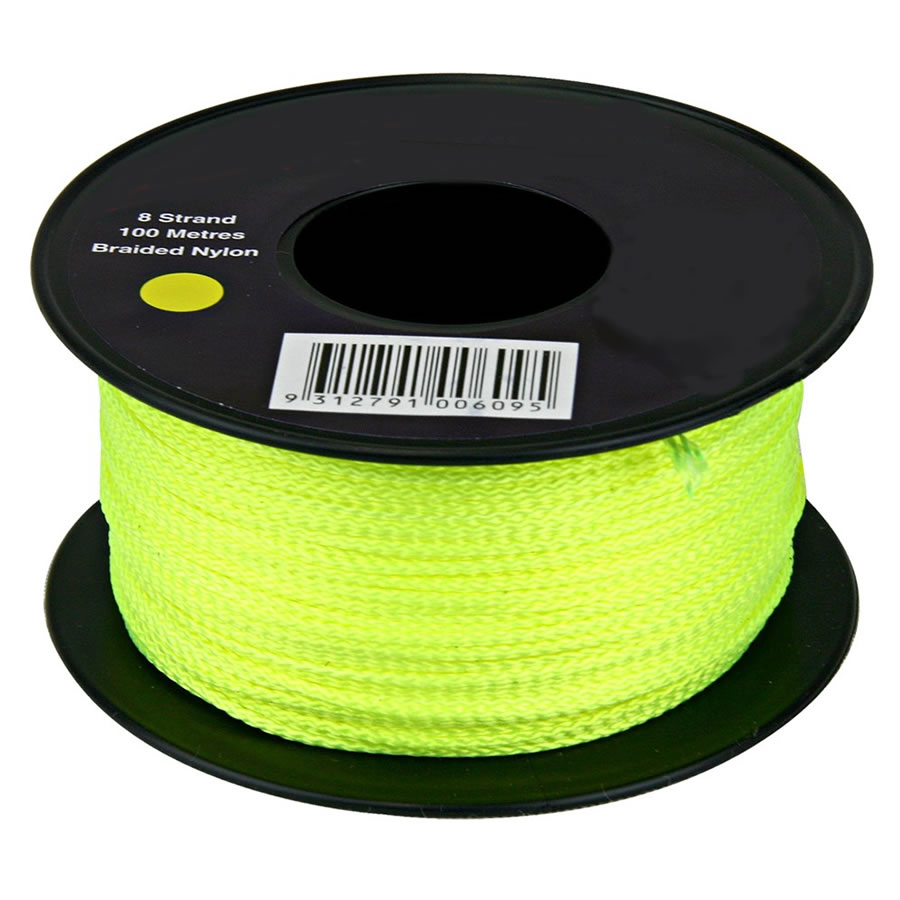
Color choice significantly impacts string line effectiveness in different environments. Bright colors like fluorescent yellow, orange, or pink provide excellent visibility against most backgrounds. However, the best color choice depends on your typical working environment and personal preferences.
Many professionals prefer fluorescent colors because they remain visible in various lighting conditions, from bright sunlight to dim interior spaces. These colors also photograph well, which is increasingly important as documentation becomes a standard part of construction projects.
Some specialized applications benefit from specific color choices. For example, when working against brick or stone backgrounds, contrasting colors ensure the string line remains clearly visible throughout the work process. The key is selecting colors that provide consistent visibility across your typical range of working conditions.
Length Requirements and Packaging Options
Builders string line comes in various lengths, from small consumer packages to large professional spools. Understanding your typical project requirements helps optimize your purchase decisions and ensures you always have adequate material available.
Professional contractors often prefer larger spools because they offer better value and reduce the frequency of replacement. However, smaller packages may be more appropriate for occasional users or specialized applications requiring different string types.
Consider the trade-offs between package size and storage requirements. Large spools offer economy but require proper storage to prevent damage and tangling. Smaller packages are more portable but may not provide the best economic value for high-volume users.
Professional Applications of Brickies String Line
Bricklaying and Masonry Fundamentals
In bricklaying, the brickies string line serves as the primary reference for maintaining straight, level courses. Professional bricklayers position the string line precisely at the top edge of each course, ensuring every brick aligns perfectly with its neighbors. This technique creates the clean, professional appearance that distinguishes quality masonry work.
The string line also helps maintain consistent joint thickness throughout the wall. By positioning blocks or bricks to just touch the string without pushing it out of position, masons ensure uniform joint spacing that contributes to both structural integrity and aesthetic appeal.
Experienced bricklayers develop techniques for quickly and accurately positioning string lines that maximize productivity while maintaining quality standards. These techniques, passed down through generations of craftspeople, represent accumulated wisdom about achieving consistent results under varying conditions.
Concrete Work and Foundation Applications
Concrete contractors rely on builders string line for numerous applications beyond basic leveling. Foundation work requires precise positioning of forms, reinforcement, and anchor bolts, all applications where string lines provide essential reference points for accurate work.
When pouring concrete slabs, string lines help establish proper slopes for drainage while ensuring the finished surface meets design specifications. The string line serves as a visual reference that guides screeding operations and helps identify areas requiring attention before the concrete sets.
Foundation work particularly benefits from the accuracy that quality string line provides. Small errors in foundation work multiply throughout the structure, making precision at this level critical for overall project success. Professional-grade string line ensures these critical measurements meet design requirements.
Landscaping and Hardscaping Projects
Landscaping professionals use builders string line for numerous applications, from establishing planting lines to positioning hardscape elements. When installing retaining walls, string lines ensure proper alignment and consistent setbacks that create professional-looking results.
Paver installation relies heavily on string line guidance for maintaining straight edges and consistent spacing. The string line serves as a reference for both horizontal and vertical alignment, ensuring finished surfaces meet aesthetic and functional requirements.
Garden bed preparation also benefits from string line guidance. Professional landscapers use string lines to establish clean edges and consistent curves that frame plantings effectively. This attention to detail distinguishes professional landscaping from amateur attempts.
Technical Specifications and Performance Standards
Tensile Strength and Load Ratings
Professional builders string line undergoes rigorous testing to establish performance specifications under various loading conditions. Tensile strength ratings indicate the maximum load the string can withstand before failure, but working loads should always remain well below these maximum values to ensure reliable performance.
Quality control testing includes both new product evaluation and aged sample testing to ensure performance consistency over time. This testing reveals how environmental exposure affects material properties and helps establish realistic service life expectations.
Understanding load ratings helps professionals select appropriate string line for specific applications. Heavy-duty applications requiring high tensions need string line with higher load ratings, while lighter applications can use less robust materials without compromising performance.
Weather Resistance and Durability Factors
Outdoor construction exposes string line to numerous environmental challenges that can degrade performance. UV radiation, temperature extremes, moisture, and chemical exposure all affect material properties over time. Quality builder nylon string line incorporates additives and treatments that resist these environmental factors.
UV stabilizers prevent polymer degradation that can cause embrittlement and failure. These additives are particularly important for string line used in long-term installations or applications involving extended sun exposure.
Moisture resistance prevents water absorption that can cause dimensional changes and reduce strength. Quality nylon materials naturally resist moisture absorption, but additional treatments can enhance this resistance for demanding applications.
Stretch Characteristics and Dimensional Stability
One of the most critical performance characteristics of builders string line is its resistance to stretching under load. Excessive stretch compromises accuracy and can make precise work impossible. Professional-grade string line minimizes stretch through careful material selection and manufacturing processes.
Initial stretch occurs when string line is first loaded, as fibers settle into their final positions. This initial stretch is normal and predictable, allowing experienced users to compensate for it when establishing reference lines.
Long-term creep represents gradual dimensional changes that occur under sustained loading. Quality string line minimizes creep through proper material selection and manufacturing processes that pre-stress fibers during production.
Installation Techniques and Best Practices
Proper Tensioning Methods
Achieving optimal tension in your builders string line requires understanding the balance between accuracy and material stress. Too little tension allows sagging that compromises precision, while excessive tension can damage the string or create safety hazards if the string fails under load.
Professional installation begins with secure anchor points that can withstand the required tensions without movement. These anchor points must be positioned accurately since any error in anchor placement transfers directly to the string line position.
Tensioning techniques vary depending on the application and available equipment. Hand tensioning works well for short runs and light-duty applications, while mechanical tensioning systems provide more consistent results for longer runs or high-precision work.
Anchor Point Selection and Setup
The accuracy of your string line installation depends heavily on anchor point selection and positioning. Anchor points must be stable, accurately positioned, and capable of withstanding required tensions without movement or damage.
When working with masonry, built-in anchor points like line blocks provide convenient attachment points that don't require additional hardware. However, these anchor points must be positioned accurately and secured properly to ensure reliable performance.
Temporary anchor points using stakes, clamps, or dedicated line holders offer flexibility for various applications. The key is ensuring these temporary anchors remain stable and accurate throughout the work period.
Managing Multiple String Lines
Complex projects often require multiple string lines operating simultaneously. Managing these multiple references requires careful planning to prevent interference while ensuring each line serves its intended purpose effectively.
Parallel string lines must be positioned to maintain consistent spacing while avoiding contact that could affect accuracy. Crossing string lines require special attention to prevent tangling and maintain clear sight lines for work positioning.
Color coding different string lines helps workers quickly identify which reference applies to their current task. This system becomes particularly valuable on complex projects where multiple trades work simultaneously using different reference systems.
Common Problems and Troubleshooting Solutions
Dealing with String Sag and Stretching
Even quality brickies string line can develop problems that affect accuracy if not properly addressed. String sag typically results from insufficient tension, anchor point movement, or material degradation over time. Identifying the root cause guides appropriate corrective action.
When string sag develops gradually during use, the cause is often anchor point movement or material creep. Quick tension adjustment may provide temporary correction, but investigating anchor point stability prevents recurring problems.
Sudden string sag usually indicates anchor point failure or string damage. These situations require immediate attention to prevent work quality problems and potential safety hazards if the string fails completely under tension.
Environmental Challenge Solutions
Weather conditions significantly affect string line performance and require adaptive strategies for maintaining accuracy. Wind can cause string movement that makes precise work difficult, while temperature changes affect both string properties and dimensional stability.
Wind shields or temporary barriers can reduce string movement in breezy conditions. However, these solutions must not interfere with work activities or create additional safety hazards.
Temperature compensation may require tension adjustments as conditions change throughout the day. Understanding how your specific string line responds to temperature changes helps anticipate required adjustments.
Visibility and Lighting Issues
Poor visibility can make even the best builders string line ineffective for precision work. Addressing lighting challenges requires understanding how different light conditions affect string visibility and developing strategies for maintaining clear reference lines.
Supplemental lighting can improve visibility in dim conditions, but light positioning must avoid creating shadows or glare that interfere with work accuracy. Adjustable lighting systems provide flexibility for adapting to changing conditions.
Contrast enhancement techniques, such as positioning contrasting backgrounds behind the string line, can improve visibility without additional equipment. These techniques are particularly valuable when working in challenging lighting environments.
Maintenance and Storage Best Practices
Extending String Line Service Life
Proper care and maintenance significantly extend builders string line service life while maintaining performance characteristics. Regular inspection identifies potential problems before they affect work quality or create safety hazards.
Cleaning procedures remove debris and contaminants that can cause premature wear or affect material properties. Simple cleaning with mild soap and water usually suffices for most applications, but heavily contaminated string line may require more aggressive cleaning methods.
Storage conditions significantly affect string line longevity. Proper storage protects against UV exposure, temperature extremes, and mechanical damage that can compromise performance. Clean, dry storage areas away from direct sunlight provide optimal conditions for long-term storage.
Inspection and Replacement Guidelines
Regular inspection programs help identify string line condition changes before they affect work quality. Visual inspection reveals obvious damage like cuts, fraying, or discoloration that indicates material degradation.
Performance testing through controlled tensioning can reveal strength loss or excessive stretch that may not be visible during casual inspection. This testing becomes particularly important for string line used in critical applications where accuracy is paramount.
Replacement guidelines help determine when string line should be retired from service. Rather than waiting for complete failure, proactive replacement based on inspection results prevents work quality problems and potential safety hazards.
Proper Storage Techniques
Storage methods significantly impact string line condition during periods between use. Proper winding techniques prevent kinking and tangling that can create weak points or make deployment difficult.
Figure-eight winding distributes stress evenly and prevents tight coils that can cause permanent deformation. This winding method also makes deployment easier and reduces the likelihood of tangles during use.
Storage containers should protect against environmental exposure while allowing air circulation that prevents moisture accumulation. Sealed containers work well for long-term storage, while breathable containers are better for frequent access applications.
Advanced Applications and Specialized Uses
Precision Measurement Applications
Beyond basic alignment tasks, builder nylon string line serves numerous precision measurement applications in specialized construction work. Surveying applications use string lines to establish temporary reference systems for detailed measurements and layout work.
Archaeological work relies on string line systems for establishing grid systems that document excavation progress and artifact positions. These applications require exceptional accuracy and dimensional stability over extended time periods.
Restoration work often uses string lines to establish reference systems for matching existing construction details. The accuracy of these reference systems directly affects the quality of restoration work and the authenticity of finished results.
Industrial and Commercial Projects
Large-scale construction projects present unique challenges that require robust string line systems capable of spanning significant distances while maintaining accuracy. Industrial applications may involve exposure to chemicals or extreme temperatures that demand specialized material properties.
Commercial building construction often requires coordination between multiple trades working simultaneously. String line systems must accommodate these complex work environments while maintaining the accuracy required for quality work.
Prefabrication applications use string lines for positioning components during assembly operations. These applications often require very high accuracy to ensure proper fit when components are installed in their final positions.
Specialty Construction Techniques
Curved wall construction uses string line techniques adapted for non-linear applications. These techniques require understanding how to establish smooth curves using multiple reference points and transitional string positions.
Timber framing applications use string lines for positioning complex joints and ensuring proper alignment of structural elements. Traditional timber framing techniques rely heavily on string line references for maintaining accuracy throughout the construction process.
Stone masonry work often requires string lines adapted for irregular materials and traditional construction techniques. These applications combine modern string line technology with time-tested construction methods.
Innovation and Future Developments
Emerging Materials and Technologies
String line technology continues evolving as new materials and manufacturing processes become available. Advanced polymer chemistry creates materials with enhanced properties that improve performance in demanding applications.
Smart materials that change properties in response to environmental conditions represent potential future developments. These materials might automatically adjust tension or visibility characteristics based on ambient conditions.
Integration with digital measurement systems could provide real-time feedback about string line position and accuracy. These hybrid systems might combine traditional string line reliability with modern digital precision.
Sustainable and Eco-Friendly Options
Environmental consciousness drives development of sustainable string line materials that maintain performance while reducing environmental impact. Recycled materials and bio-based polymers represent potential alternatives to traditional materials.
Manufacturing process improvements reduce energy consumption and waste generation during string line production. These improvements benefit both environmental sustainability and product economics.
End-of-life recycling programs could address disposal concerns while recovering valuable materials for new product manufacturing. These programs require cooperation between manufacturers, distributors, and users to be effective.
Integration with Modern Construction Methods
Modern construction increasingly relies on digital design and measurement systems that must integrate effectively with traditional tools like builders string line. This integration requires understanding how traditional and modern methods complement each other.
Building Information Modeling (BIM) systems can generate precise coordinates for string line positioning that ensure field work matches design intent. These systems require effective translation between digital precision and field practicality.
Prefabrication and modular construction methods create new applications for string line systems in controlled manufacturing environments. These applications often require higher precision and consistency than traditional field applications.
Safety Considerations and Risk Management
Tension-Related Safety Hazards
Builders string line under tension stores significant energy that can create safety hazards if the string fails or anchor points give way. Understanding these hazards and implementing appropriate safety measures protects workers from injury and prevents property damage.
Personal protective equipment provides primary protection against string line injuries. Safety glasses protect against eye injuries from broken strings, while proper positioning keeps workers clear of potential snap-back zones.
Tension limits should never be exceeded, even when accuracy seems to require higher tensions. Working within safe tension ranges protects both equipment and personnel while maintaining adequate accuracy for quality work.
Proper Handling Procedures
Safe string line handling begins with understanding how to deploy and retrieve string without creating tangles or hazards. Proper techniques prevent both equipment damage and personal injury during normal operations.
Team coordination becomes critical when multiple workers handle long string lines simultaneously. Clear communication and defined responsibilities prevent accidents and ensure efficient operations.
Training programs should address both basic safety principles and specific procedures for different applications. Regular refresher training keeps safety awareness current as workers gain experience and confidence.
Risk Assessment and Mitigation
Systematic risk assessment identifies potential hazards specific to each application and work environment. This assessment guides development of appropriate safety procedures and equipment selection.
Hazard mitigation strategies should address both routine operations and emergency situations. These strategies must be practical and implementable without compromising work quality or productivity.
Regular safety reviews ensure that procedures remain current and effective as conditions change. These reviews provide opportunities to incorporate lessons learned and address emerging hazards.
Conclusion
The humble builders string line represents one of construction's most enduring and essential tools, bridging ancient building wisdom with modern material science. Whether you're working with traditional brickies string line for masonry projects or advanced builder nylon string line for precision applications, understanding the principles behind effective string line selection and use elevates your work from adequate to exceptional.
Quality string line isn't just about having the right tool, it's about understanding how material properties, installation techniques, and maintenance practices work together to deliver consistent, professional results. The investment in premium string line pays dividends through improved accuracy, reduced rework, and the confidence that comes from using tools that perform reliably when precision matters most.
As construction technology continues advancing, the fundamental need for accurate reference lines remains constant. The builders string line of today incorporates centuries of refinement while embracing modern materials and manufacturing processes that deliver unprecedented performance. By mastering these tools and techniques, you're connecting with a tradition of craftsmanship that has built our world, one perfectly straight line at a time.
Remember, every masterpiece of construction begins with accurate layout and reference systems. Your choice of string line and how you use it sets the foundation for everything that follows. Make that choice count, invest in quality, and never underestimate the power of a perfectly tensioned string line to transform good work into great work.