
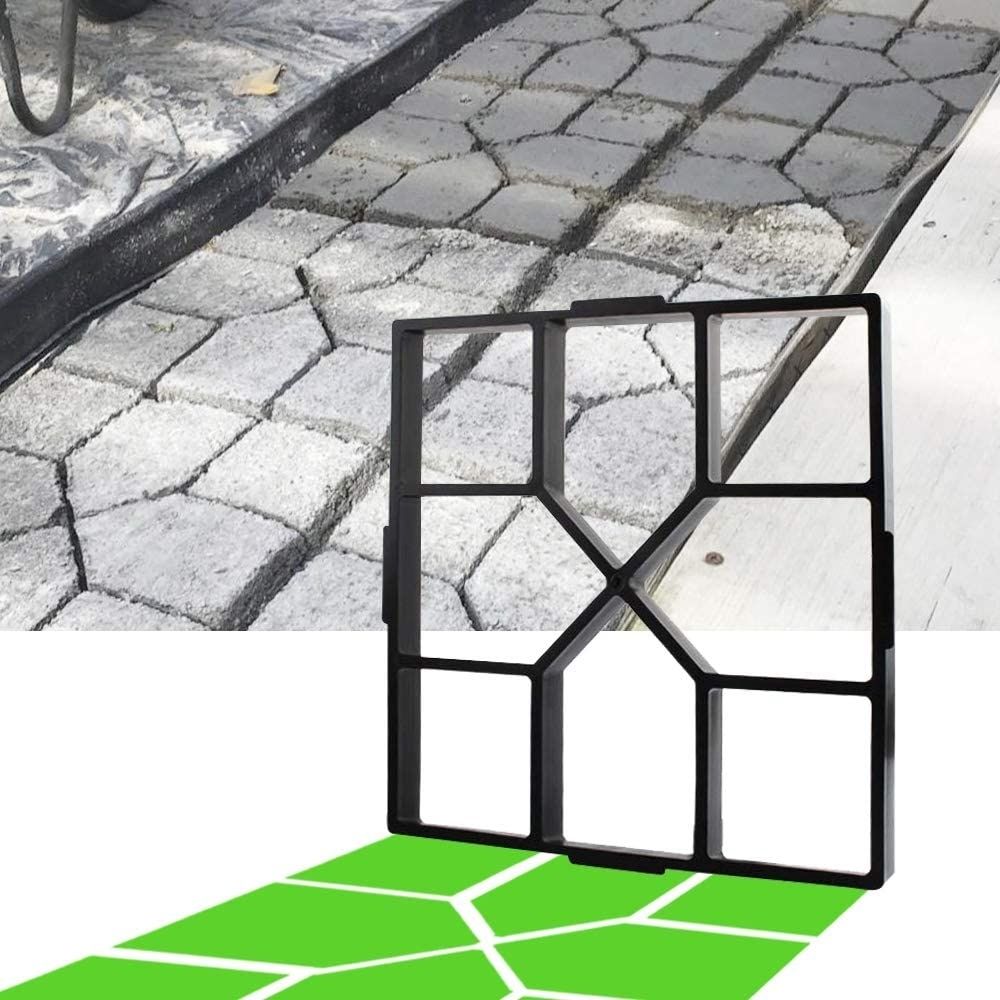
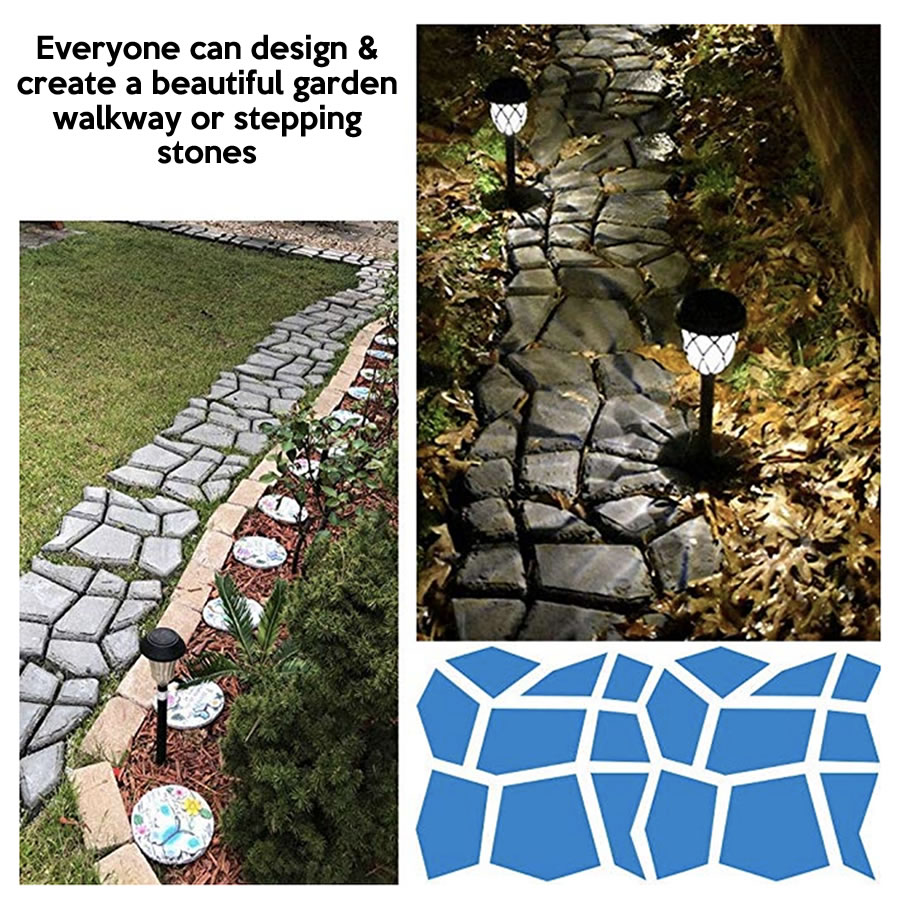
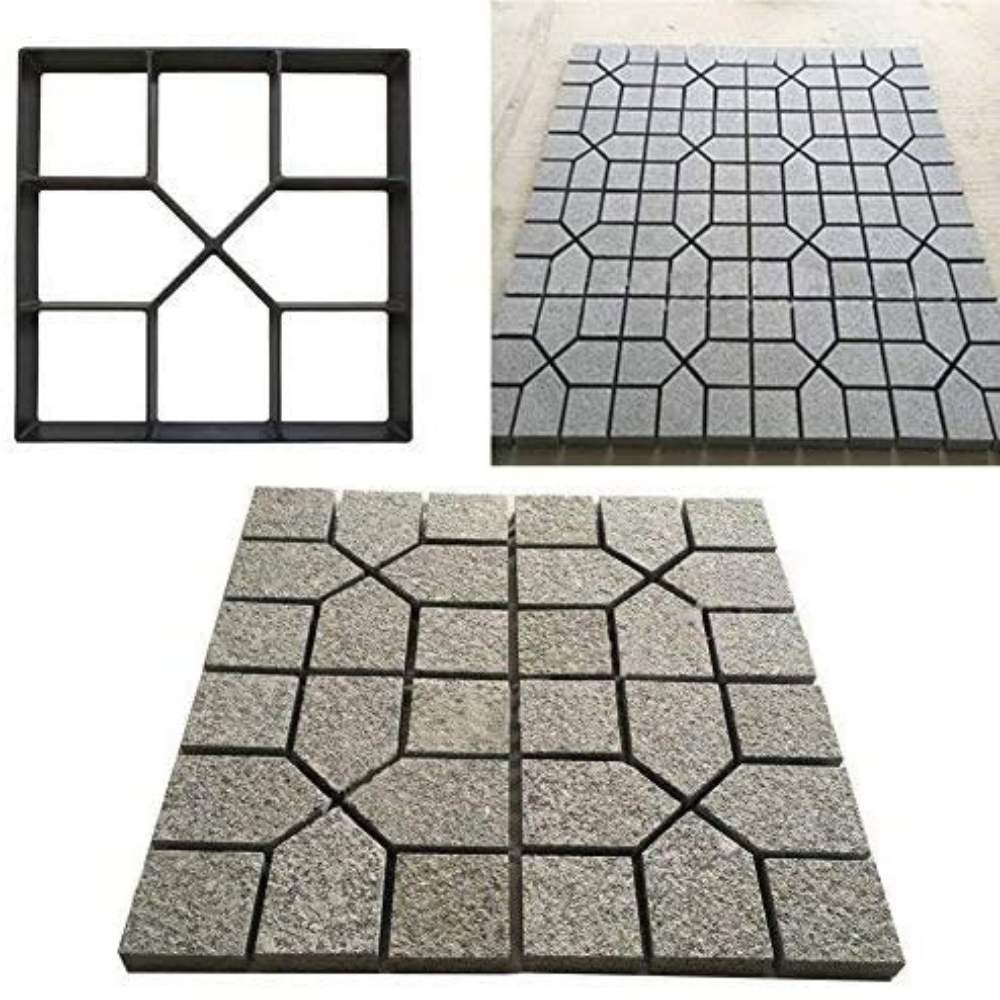
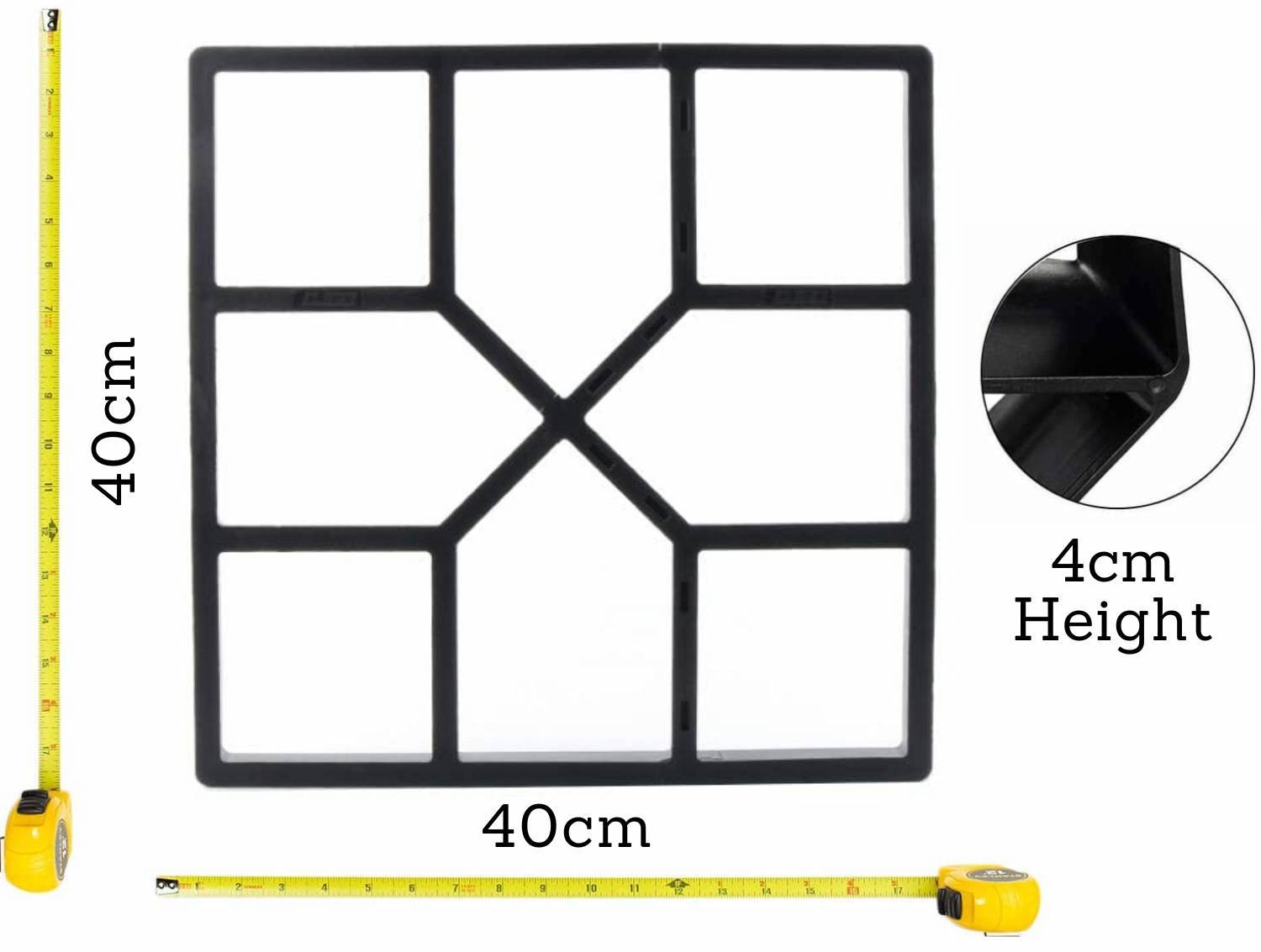
The complete guide
Master the Classics: Your Complete Guide to Square Paving Moulds and Timeless Geometric Design
Master the Classics: Your Complete Guide to Square Paving Moulds and Timeless Geometric Design
Have you ever wondered why the simple square has dominated architectural and landscape design for thousands of years? From ancient Roman forums to modern city plazas, this fundamental four-sided shape continues to captivate designers and homeowners alike with its perfect balance of simplicity and sophistication. Now imagine harnessing that same timeless appeal in your own outdoor spaces through the versatile power of square paving moulds, tools that transform ordinary concrete into extraordinary surfaces that embody both classical elegance and contemporary style.
Think of a square paving mould as your personal gateway to design mastery, offering the perfect foundation for countless creative possibilities while maintaining the structural integrity and visual harmony that have made square patterns the backbone of great architecture throughout history. But here's what separates professional-looking square installations from amateur attempts: understanding these fundamental tools isn't just about creating four equal sides, it's about mastering proportion, alignment, and the subtle art of pattern composition that transforms simple squares into sophisticated design statements.
Whether you're envisioning a clean, modern patio that showcases minimalist aesthetics, a traditional garden pathway that echoes classical design principles, or a grand entrance that makes a powerful first impression, square paving moulds provide the foundation for outdoor spaces that combine timeless appeal with endless customization possibilities. Let's explore this essential world where geometric perfection meets creative expression.
The Enduring Appeal of Square Geometry in Design
Why Squares Dominate Human Design Psychology
The square represents one of humanity's most fundamental design elements, appearing in virtually every culture throughout history as a symbol of stability, order, and perfection. When you choose a square paving mould, you're connecting with thousands of years of design wisdom that recognizes the profound psychological impact of this simple yet powerful geometric form.
Human perception naturally gravitates toward the stability and predictability that squares provide. The equal sides and right angles create visual anchors that help organize space and provide psychological comfort in both residential and commercial environments. This inherent stability makes square paving particularly valuable for outdoor spaces where people need to feel secure and oriented.
The mathematical perfection of squares appeals to our innate appreciation for order and symmetry. Unlike irregular shapes that can create visual tension, squares provide calm resolution that allows other design elements, plantings, furniture, architectural features, to take center stage without competing with chaotic paving patterns.
Square patterns also offer incredible versatility in scale and arrangement. From tiny mosaic-like installations to grand plaza-scale applications, squares adapt to virtually any size requirement while maintaining their essential character and visual impact.
Historical Context and Cultural Significance
Throughout architectural history, square patterns have represented civilization, order, and human mastery over natural chaos. Ancient civilizations used square paving to define important spaces and create lasting monuments that still inspire contemporary design thousands of years later.
Roman engineers perfected square stone paving techniques that created roads and forums lasting millennia. Their understanding of how square patterns distribute loads and resist weathering continues to influence modern paving design, making square concrete paver moulds natural inheritors of this proven design tradition.
Medieval and Renaissance designers used square patterns to create contemplative spaces in monasteries and palaces where geometric order supported spiritual and intellectual pursuits. This tradition continues in contemporary landscape design where square patterns create calm, ordered environments that support relaxation and reflection.
Modern architecture embraces square paving as a bridge between indoor and outdoor spaces, using the familiar geometry to extend interior design principles into landscape applications. This continuity creates unified design experiences that feel cohesive and intentional.
Understanding Square Concrete Paver Moulds: Engineering Simplicity
The Precision Behind Apparent Simplicity
Creating quality square concrete paver moulds requires sophisticated engineering that ensures each unit maintains perfect geometry while withstanding the stresses of concrete placement and extended use. The apparent simplicity of square shapes conceals complex design challenges that separate professional-grade moulds from amateur alternatives.
Dimensional accuracy becomes critical in square moulds because small variations multiply across large installations, creating alignment problems that compromise visual quality. Professional moulds maintain tolerances measured in fractions of millimeters to ensure perfect fit and alignment across entire projects.
Corner precision requires careful attention to radius specifications that affect both appearance and durability. Sharp corners may chip during demolding or handling, while overly rounded corners create gaps that compromise visual continuity. Quality moulds optimize corner geometry for both performance and aesthetics.
Wall thickness engineering balances strength requirements with demolding ease. Uniform wall thickness ensures consistent concrete coverage while preventing weak spots that could cause premature failure. However, thickness must remain within limits that allow easy release of cured pavers without damage.
Material Science for Long-Term Performance
The plastics used in square paving moulds must withstand repeated exposure to alkaline concrete while maintaining dimensional stability and surface quality throughout hundreds of molding cycles. This requires specialized polymer formulations that balance multiple performance characteristics.
Chemical resistance prevents degradation from concrete's alkaline environment while maintaining surface smoothness that produces high-quality pavers. Inferior plastics may develop surface roughness that creates textured pavers or difficulty with release that complicates production.
Flexibility characteristics enable easy demolding while maintaining dimensional accuracy under concrete pressure. The material must flex enough to release cured pavers easily but resist deformation that could affect paver dimensions or surface quality.
Temperature stability ensures consistent performance across varying environmental conditions. Seasonal temperature changes affect both plastic properties and concrete behavior, requiring moulds that maintain their characteristics across wide temperature ranges.
UV resistance prevents degradation during outdoor storage and use. Extended exposure to sunlight can embrittle inferior plastics, causing premature failure and surface degradation that affects paver quality.
Types and Variations of Square Stepping Stone Molds
Standard Size Categories and Applications
Square stepping stone molds come in various sizes designed for different applications and aesthetic preferences. Understanding size relationships helps optimize mould selection for specific projects while ensuring visual harmony and functional performance.
Small format squares, typically 8 to 12 inches, create detailed patterns ideal for intimate spaces where close examination rewards attention to detail. These smaller squares work particularly well for garden pathways, courtyard areas, and accent features where human-scale detail matters more than bold geometric statements.
Medium format squares, ranging from 12 to 18 inches, provide versatility for most residential applications. These proportions offer substantial walking surfaces while maintaining manageable installation requirements. They work well for patios, walkways, and general outdoor living areas.
Large format squares, 18 inches and beyond, create bold statements suitable for expansive areas where dramatic geometric impact is desired. These large squares reduce joint lines and create sophisticated minimalist effects that complement contemporary architecture.
Mixed size systems combine different square sizes within coordinated design schemes that create complex visual textures while maintaining geometric harmony. These systems require careful planning but can create unique installations that distinguish projects from single-size applications.
Surface Texture and Finish Options
Surface treatments significantly affect both the appearance and performance characteristics of square pavers. Understanding texture options enables selection of finishes that support both aesthetic goals and functional requirements.
Smooth finishes create clean, contemporary appearances that work well in modern landscape settings. These surfaces showcase color and pattern while providing easy cleaning and maintenance. However, smooth surfaces may become slippery when wet, requiring consideration of safety factors.
Textured surfaces provide slip resistance while adding visual and tactile interest. Textures might simulate natural materials like stone or wood, create geometric patterns, or provide artistic surface treatments that enhance the basic square geometry.
Exposed aggregate finishes reveal decorative stones or glass elements embedded in concrete surfaces. These treatments work particularly well with square moulds because the geometric framework prevents textural chaos while showcasing decorative materials.
Stamped textures applied during the molding process create consistent surface patterns that simulate natural materials or provide artistic effects. These textures must be carefully designed to complement rather than compete with square geometry.
Specialized Design Features
Advanced square stepping stone molds incorporate specialized features that enhance performance, installation ease, or aesthetic appeal beyond basic square geometry.
Interlocking features create mechanical connections between adjacent pavers that improve installation stability while maintaining clean square appearances. These features require precise manufacturing but provide enhanced performance for high-traffic applications.
Drainage channels integrate water management features into square designs without compromising geometric purity. These channels might follow joint lines or create subtle surface patterns that enhance rather than detract from square aesthetics.
Border and edge pieces enable complete paving systems that terminate cleanly at project boundaries. These specialized pieces maintain square aesthetic while providing practical solutions for edge conditions and transitions to other materials.
Decorative inlay provisions enable integration of contrasting materials or colors within basic square frameworks. These features might include recessed areas for accent materials or raised elements that create surface variety within square disciplines.
The Top 9 Design Applications for Square Paving Moulds
Understanding the versatility of square paving opens up numerous creative possibilities that showcase the adaptability and timeless appeal of geometric design.
1. Modern Minimalist Patios
Square pavers excel in creating clean, uncluttered outdoor living spaces that embody minimalist design principles. Large format squares with smooth finishes create sophisticated surfaces that serve as neutral backdrops for furniture and plantings while maintaining visual interest through subtle joint patterns and material quality.
2. Traditional Formal Gardens
The classical heritage of square patterns makes them perfect for formal garden applications where geometric order supports traditional design themes. Square stepping stones can create structured pathways through parterre gardens, herb gardens, or other formal landscape compositions that require geometric discipline.
3. Contemporary Entrance Designs
Square pavers create powerful first impressions through bold geometric statements that communicate attention to detail and design sophistication. Large format squares work particularly well for entrance applications where dramatic impact matters more than intimate detail.
4. Pool Deck and Water Feature Applications
The clean lines and slip-resistant potential of textured square pavers make them ideal for pool surrounds and water feature integration. Square patterns can unify complex pool shapes while providing practical performance characteristics needed in wet environments.
5. Commercial and Public Space Design
The durability and timeless appeal of square patterns make them excellent choices for commercial applications where aesthetic longevity and minimal maintenance matter. Square pavers can create sophisticated public spaces that age gracefully while withstanding heavy use.
6. Courtyard and Enclosed Space Applications
Square patterns work particularly well in enclosed spaces where geometric order helps organize and enlarge apparent space. The regular grid patterns can make small courtyards feel larger while providing visual continuity that unifies architectural and landscape elements.
7. Driveway and Vehicular Applications
The structural efficiency of square patterns makes them suitable for vehicular applications where load distribution and durability matter. Square pavers can create attractive driveways that provide both functional performance and aesthetic appeal.
8. Rooftop and Terrace Gardens
The predictable load distribution of square patterns makes them ideal for rooftop applications where structural considerations limit paving options. Square pavers can create sophisticated rooftop gardens while meeting engineering requirements for elevated installations.
9. Interior-Exterior Transition Spaces
Square patterns excel at creating visual continuity between indoor and outdoor spaces through familiar geometric language. Square pavers can extend interior design themes into landscape applications while maintaining weather resistance and outdoor durability.
Design Principles for Square Pattern Success
Proportion and Scale Relationships
Understanding proportional relationships in square installations enables creation of compositions that feel balanced and harmonious rather than monotonous or overwhelming. The mathematical nature of square geometry provides clear guidelines for successful proportion management.
Grid relationships affect how square patterns relate to architectural features and site boundaries. Aligning paver grids with building lines, window spacing, or other architectural elements creates visual continuity that strengthens overall design composition.
Scale progression can create visual hierarchy within square installations through systematic size changes that guide attention and create focal points. These progressions might follow mathematical sequences or artistic principles that enhance rather than disrupt geometric order.
Border and edge relationships require careful attention to maintain visual balance while providing practical edge restraint. Border treatments must complement rather than compete with main paving areas while solving practical problems like edge restraint and transitions.
Joint spacing significantly affects visual character and practical performance. Narrow joints create nearly seamless surfaces that emphasize individual paver quality, while wider joints create more obvious grid patterns that can serve as design elements themselves.
Color and Pattern Integration
Color selection and arrangement within square installations can enhance geometric effects while creating emotional responses that support intended functions. Understanding color relationships within geometric frameworks enables sophisticated design effects.
Monochromatic schemes emphasize geometric form by minimizing color distraction. These approaches work particularly well when square patterns serve as sophisticated backgrounds for plantings, furniture, or architectural features that provide color interest.
Grid-based color patterns utilize the inherent organization of square layouts to create systematic color progressions that feel organized rather than random. These patterns might follow mathematical sequences, gradients, or checkerboard arrangements that enhance geometric discipline.
Accent integration uses strategic color placement to create focal points or directional emphasis within larger square installations. The regular grid pattern provides natural locations for accent placement while maintaining overall geometric harmony.
Seasonal color considerations account for how color choices will interact with changing landscape elements throughout the year. Square patterns provide stable geometric frameworks that can support seasonal plantings and temporary decorative elements.
Professional Installation Techniques for Square Patterns
Layout and Alignment Strategies
Successful square pattern installation requires systematic layout procedures that ensure perfect alignment and visual continuity across entire projects. The geometric precision possible with quality square concrete paver moulds demands equally careful installation techniques.
Reference line establishment provides the geometric framework for square installations while accommodating site conditions and design requirements. These reference lines must account for square dimensions and ensure proper alignment with architectural features and site boundaries.
Grid establishment techniques ensure accurate spacing and alignment across large installations. Quality installations use systematic grid layouts that prevent accumulation of small errors that could create major alignment problems in large projects.
Square verification procedures check individual pavers and overall pattern accuracy during installation. Regular verification prevents problems from compounding while ensuring professional results that meet quality standards.
Level maintenance ensures uniform surface conditions while preventing drainage problems that could affect long-term performance. Square patterns must maintain consistent levels across grid systems while accommodating necessary drainage slopes.
Joint Management and Edge Details
Joint treatment significantly affects both appearance and performance of square installations. Understanding joint requirements enables installation decisions that optimize both aesthetic success and long-term durability.
Joint spacing consistency creates clean grid patterns while ensuring proper structural performance. Consistent joints enhance pattern definition while enabling proper load distribution and thermal accommodation.
Joint filling materials affect both appearance and performance characteristics. Sand joints provide traditional appearance and ease of maintenance, while mortar joints offer enhanced stability but require more complex installation and maintenance procedures.
Edge restraint systems prevent pattern movement while remaining invisible after installation completion. Quality edge restraints must withstand outward pressure from square patterns while maintaining geometric precision.
Transition details between square patterns and other materials require careful design to maintain visual continuity while accommodating different material characteristics. These transitions must solve practical problems while enhancing overall design composition.
Quality Control and Performance Standards
Systematic quality control during square pattern installation ensures consistent results that meet both aesthetic and performance standards. The precision achievable with quality moulds enables installations that rival professional masonry work.
Dimensional verification ensures that individual pavers meet specifications and fit properly within overall grid systems. Systematic verification prevents installation problems while ensuring long-term pattern integrity.
Surface quality inspection identifies potential problems while correction remains practical. Regular inspection prevents minor issues from becoming major problems requiring extensive rework.
Pattern alignment monitoring ensures visual continuity while maintaining proper geometric relationships throughout installation. Small alignment errors can accumulate across large square installations, requiring systematic monitoring and correction.
Advanced Techniques and Creative Applications
Mixed Material Integration
Square patterns provide excellent frameworks for integrating multiple materials within unified design compositions. The geometric discipline of square grids can organize complex material combinations that might appear chaotic without systematic organization.
Contrasting material inserts create visual interest while maintaining geometric order. These might include different colored concrete, natural stone accents, or even integrated lighting elements that enhance nighttime use while maintaining daytime geometric integrity.
Border and accent applications use contrasting materials to define spaces and create visual boundaries within larger square installations. These applications require careful scale selection to ensure accent materials complement rather than overwhelm primary paving.
Three-dimensional elements integrated within square frameworks can create sculptural effects while maintaining overall geometric discipline. These might include raised planters, integrated seating, or water features that enhance functional performance while supporting geometric design themes.
Pattern Variations and Artistic Interpretations
While maintaining fundamental square geometry, creative variations can add visual interest and personal expression to standard square installations.
Rotational patterns create dynamic effects by orienting squares at angles to primary grid systems. These variations require careful planning and execution but can create unique visual effects that distinguish projects from standard grid applications.
Size progression systems create visual movement through systematic size changes that maintain square geometry while adding scale complexity. These progressions can guide movement, create focal points, or simply add visual interest to large installations.
Surface treatment variations create textural interest within square frameworks through systematic texture changes that maintain geometric order while adding sensory complexity. These variations might follow grid patterns or create artistic compositions within square disciplines.
Maintenance and Longevity Considerations
Protecting Your Square Installation Investment
Quality square paver installations represent significant investments that deserve proper care to maintain both appearance and performance throughout their service lives. Understanding maintenance requirements enables preservation of investment value while ensuring continued aesthetic and functional success.
Regular cleaning procedures remove surface contaminants while preserving joint integrity and surface appearance. Square patterns typically show dirt and stains more readily than textured surfaces, making regular maintenance particularly important for aesthetic preservation.
Joint maintenance preserves installation integrity while preventing weed growth and insect infiltration. The regular grid patterns of square installations make joint maintenance systematic and efficient when proper procedures are followed.
Surface protection through appropriate sealers can enhance color depth while providing stain resistance and weather protection. Quality sealers preserve surface appearance while maintaining the clean lines that make square patterns so appealing.
Seasonal Care and Environmental Factors
Different environmental conditions require adaptive maintenance approaches that preserve square installation quality while addressing seasonal challenges and climatic factors.
Winter protection strategies prevent freeze-thaw damage while maintaining safe walking surfaces. Proper drainage and appropriate deicing materials protect pavers while ensuring user safety during adverse weather conditions.
Summer maintenance addresses heat effects and UV exposure that can affect surface treatments and joint materials. Regular inspection and maintenance preserve protective treatments while addressing developing problems before they become serious.
Drainage maintenance ensures proper water management while preventing problems that could affect installation stability. Square patterns typically provide predictable drainage characteristics that simplify maintenance planning and execution.
Economic Analysis and Investment Value
Cost-Effectiveness and Long-Term Value
Square paving mould systems offer compelling economic advantages that extend beyond initial material cost savings to include reduced installation complexity and enhanced long-term value creation.
Installation efficiency benefits from the straightforward geometry and predictable installation requirements of square patterns. The regular grid systems simplify layout and reduce installation time while ensuring professional results that meet quality standards.
Material optimization through efficient square tessellation reduces waste while maximizing coverage from available materials. Square patterns utilize materials efficiently while creating sophisticated visual effects that justify premium positioning.
Long-term durability of properly installed square patterns often exceeds that of more complex paving systems because the regular geometry distributes loads efficiently while simplifying maintenance requirements.
Property value enhancement results from the timeless appeal and proven performance of square installations. The classical associations and contemporary relevance of square patterns provide lasting appeal that maintains value better than trend-dependent alternatives.
Return on Investment Analysis
Understanding the complete economic picture of square paving investments requires comprehensive analysis that considers initial costs, ongoing maintenance, and long-term value creation.
Initial investment considerations include equipment costs for quality moulds that provide hundreds of uses, making per-paver costs extremely attractive for even modest projects. Material costs remain low because concrete ingredients are widely available and competitively priced.
Maintenance cost advantages result from the systematic nature of square patterns that simplify cleaning, joint maintenance, and repair procedures. The regular geometry makes maintenance more predictable and efficient compared to complex patterns.
Market appeal of square installations provides broad buyer acceptance that supports resale value while appealing to diverse aesthetic preferences. The timeless nature of square patterns avoids style risks that might limit market appeal.
Innovation and Future Trends
Technology Integration in Square Design
Emerging technologies enhance square paving capabilities while maintaining the clean geometric appeal that defines this classic approach to outdoor paving.
Smart integration possibilities include LED lighting systems that follow grid patterns, heating elements for snow melting, or sensor systems that monitor installation performance. These technologies can enhance functionality while maintaining aesthetic integrity.
3D printing applications might enable custom square moulds with integrated features or artistic surface treatments that distinguish projects while maintaining fundamental square geometry.
Sustainable technology integration addresses environmental concerns through permeable paving systems, recycled content utilization, or carbon capture technologies that transform square installations into environmental benefits.
Material Innovation and Sustainability
Environmental consciousness drives innovation toward sustainable materials and production methods that reduce environmental impact while maintaining the performance and aesthetic standards expected from square installations.
Recycled content integration utilizes post-consumer and post-industrial materials in concrete formulations that maintain performance while reducing environmental impact. These materials often provide equivalent performance while supporting sustainability goals.
Bio-based additives and release agents offer renewable alternatives to petroleum-based products while maintaining performance characteristics needed for quality production.
Carbon footprint reduction through local material sourcing and efficient production methods supports environmental stewardship while often providing economic benefits that make square paving more accessible.
Conclusion
The world of square paving moulds represents a beautiful convergence of timeless design wisdom and contemporary innovation, offering pathways to outdoor spaces that embody both classical elegance and modern functionality. These fundamental tools don't just create pavers, they connect you to thousands of years of design tradition while providing the foundation for countless creative expressions that can transform any outdoor space into a sophisticated environment.
What makes square paving truly special extends far beyond its obvious geometric appeal. It's the way these clean, honest shapes provide stable foundations for creativity while maintaining the visual discipline that creates truly timeless outdoor spaces. When you choose square moulds, you're not just selecting a paving solution, you're embracing design principles that have proven their worth across cultures and centuries, creating outdoor environments that feel both familiar and fresh.
The journey from concrete mixture to finished square installation requires attention to detail, respect for geometric principles, and an appreciation for the subtle art of proportion and alignment. But the rewards extend far beyond the immediate visual impact. You're developing an understanding of fundamental design principles that will influence every creative decision you make, building skills that bridge traditional craftsmanship with contemporary innovation, and creating outdoor spaces that provide lasting beauty and enduring value.
Remember, every stunning square installation began with someone who recognized the extraordinary potential hidden within this most fundamental of geometric forms. Your design adventure starts with choosing quality moulds, understanding the principles of geometric composition, and embracing the precision that quality square work demands. Make every angle count, learn from each grid system, and don't hesitate to explore the endless creative possibilities that square geometry offers. The most memorable outdoor spaces often emerge from masterful execution of fundamental principles, brought to life one perfectly square paver at a time.
Can you use the moulds to make circles, gentle curves, etc. ?
Yes you can....if you do some pre-work first and lay out the borders with bricks this will give you a visual to work within.
You could also dig small trenches where the border bricks were and fill in the space with small landscape pebble to keep the border.
How much concrete does it take to fill one mould?
About 13.8 pounds concrete (3.45 lb. cement + 10.35 lb. sand).
How long does the concrete have to set before removing the mould to do another?
That would depend on the type of concrete you purchase and how you mix it. Generally speaking you can move the mold after about 2 - 3 minutes to the next stamp area.
Can you do a driveway with this? Wondering if the weight of vehicles could easily shift or crack the concrete after awhile?
Yes you could.
With that said these moulds are more for landscaping or stepping stones.
What do you use for the fill in the gaps with?
You can fill the gaps with soil and then put some grass on it. Sand and small gravel is another alternative.
Can the moulds be rotated so that the pattern is less uniform?
Yes, you can rotate this mould to create your own unique patterns.
If you like the random style, you can make the pattern not uniform.
If you like the uniform style, you can also create a uniformed pattern with it.
What do you mean by irregular shape?
The irregular shape mould simply means the pattern of this mould is random, and the shape of it is not square
How would you color these if you wanted each different shape a different color? Sand? concrete pigment?
There are many ways you can change the color of the concrete. Here is a few ideas.
Pigment: you will have to mix the pigment with the concrete that means if you want different colors in each stone you will need multiple mixing buckets. You will need to be very patient with this process because when you screed it you will end up mixing the colors together.
Dye: this is an application that can be painted or sprayed on. You will more than likely need to seal it which can make the concrete mildly slippery when wet.
Paint: oil based paint is also an option you would not want to use latex because it will peel. Oil based paint come in quarts gallons as well as inside a spray can probably not going to be the long lasting result you're looking for but it should hold up for 2 to 3 Seasons.