
Concrete Moulds
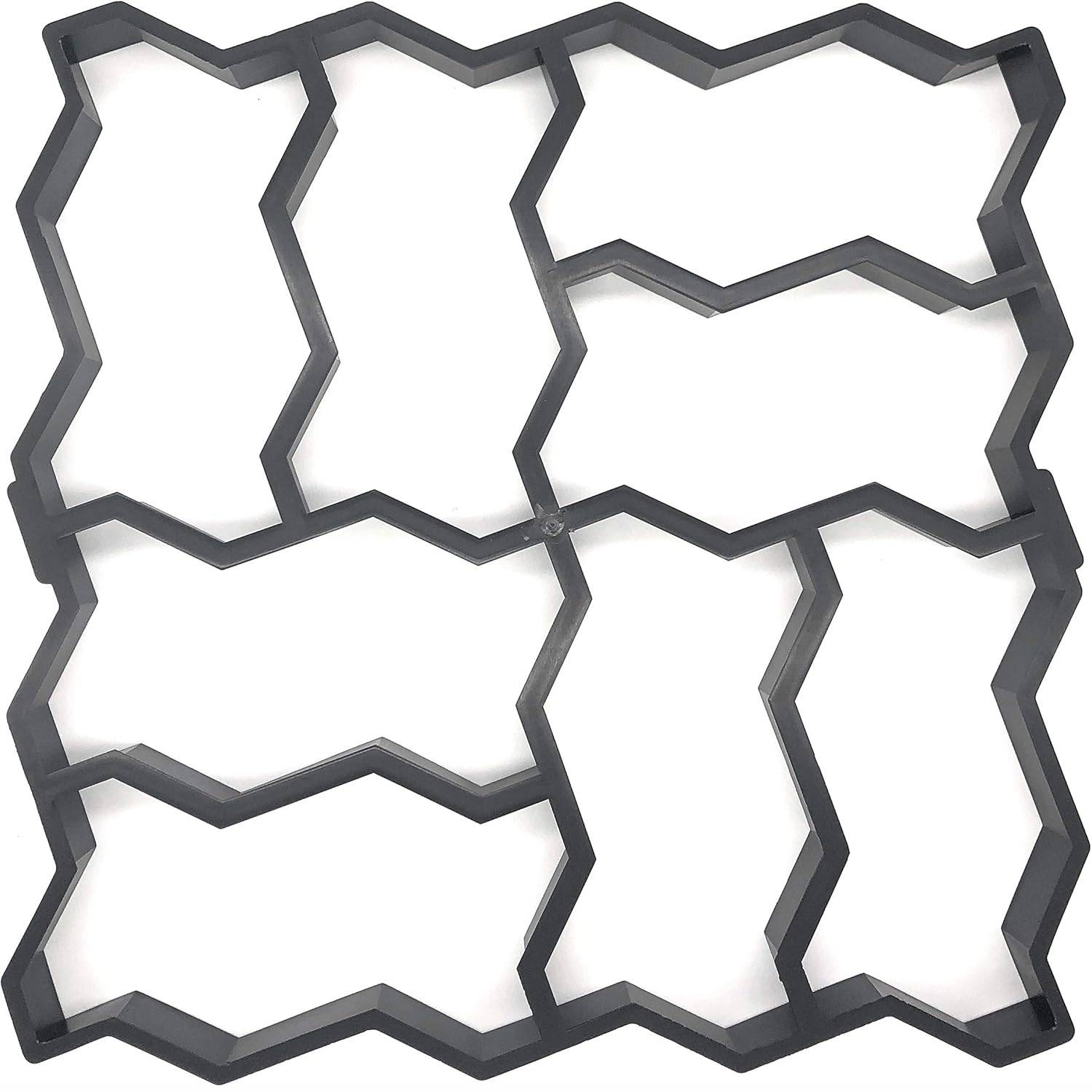
Brick Paver Mold
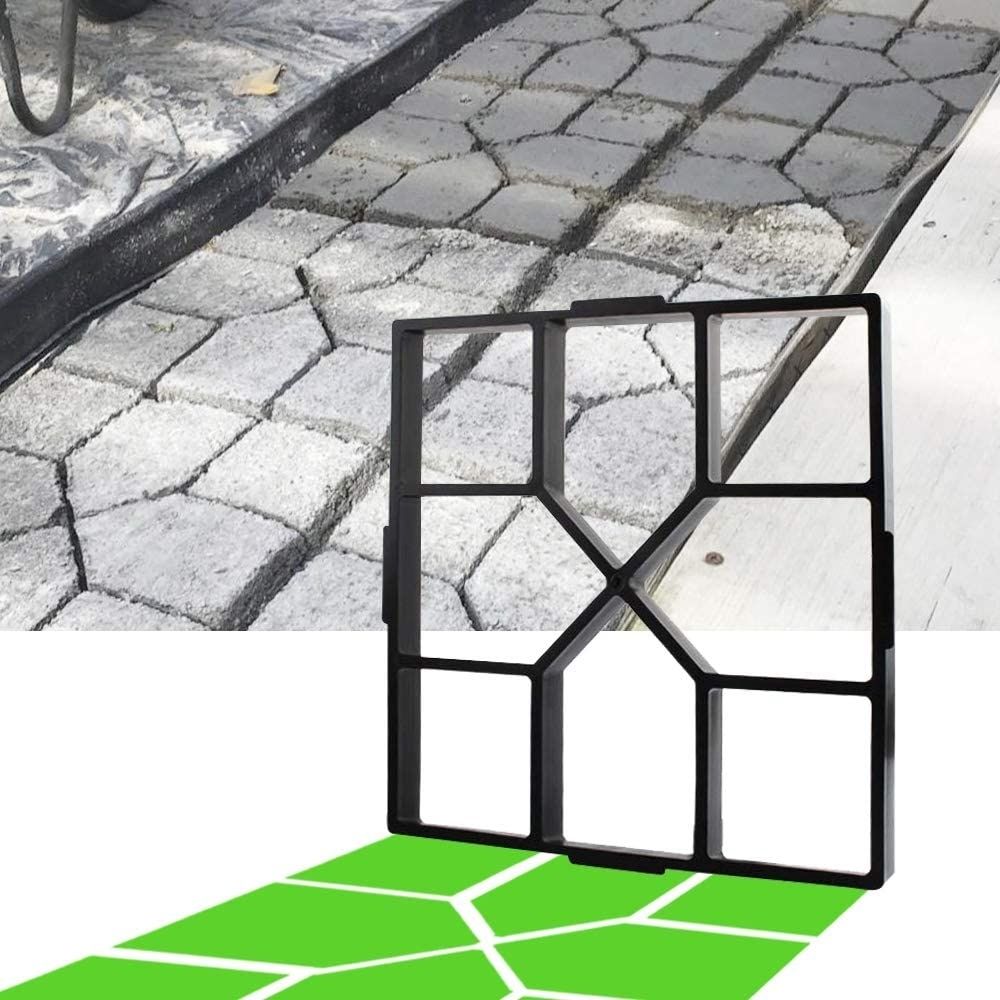
A 40cm x 4cm reusable brick paver mould for driveways, paths and patio areas.
$59Delivery across Singapore
View product
Shop online
Transform your ordinary concrete projects into stunning, professional looking pathways, patios and outdoor spaces. Fast delivery direct to your door, all across Singapore.
The full range
7 products. The paver mould comes in four shapes and each one has its own page and its own current pound price; the option cards on any of them switch between the four.
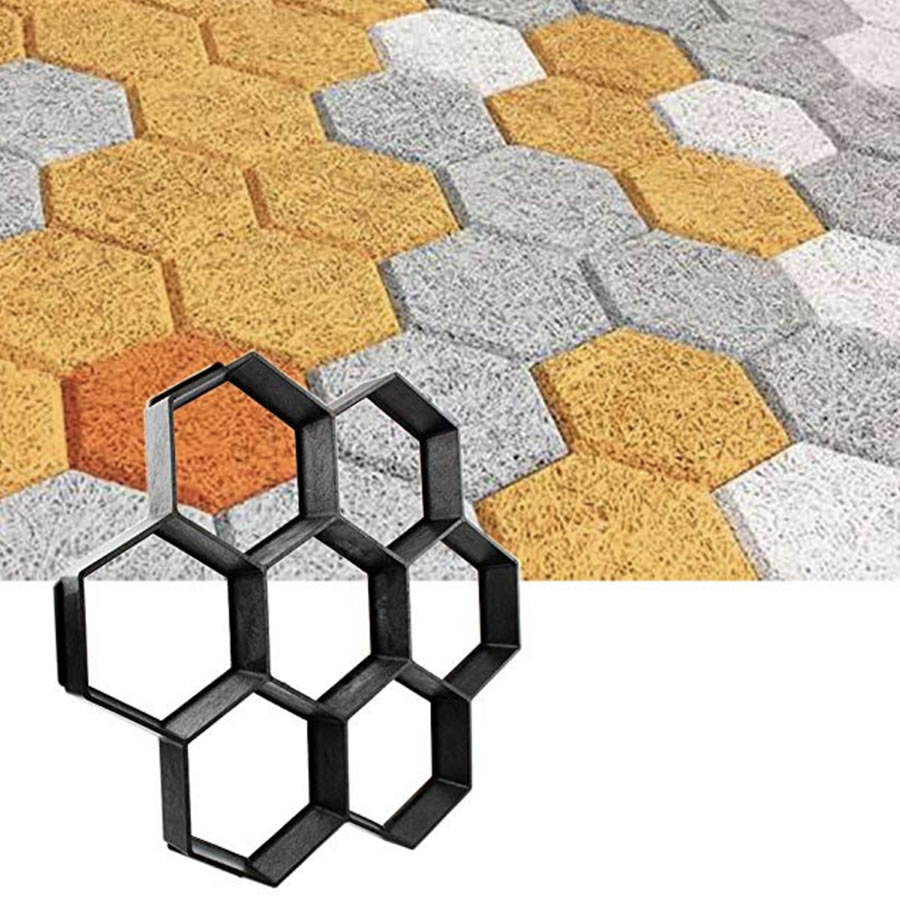
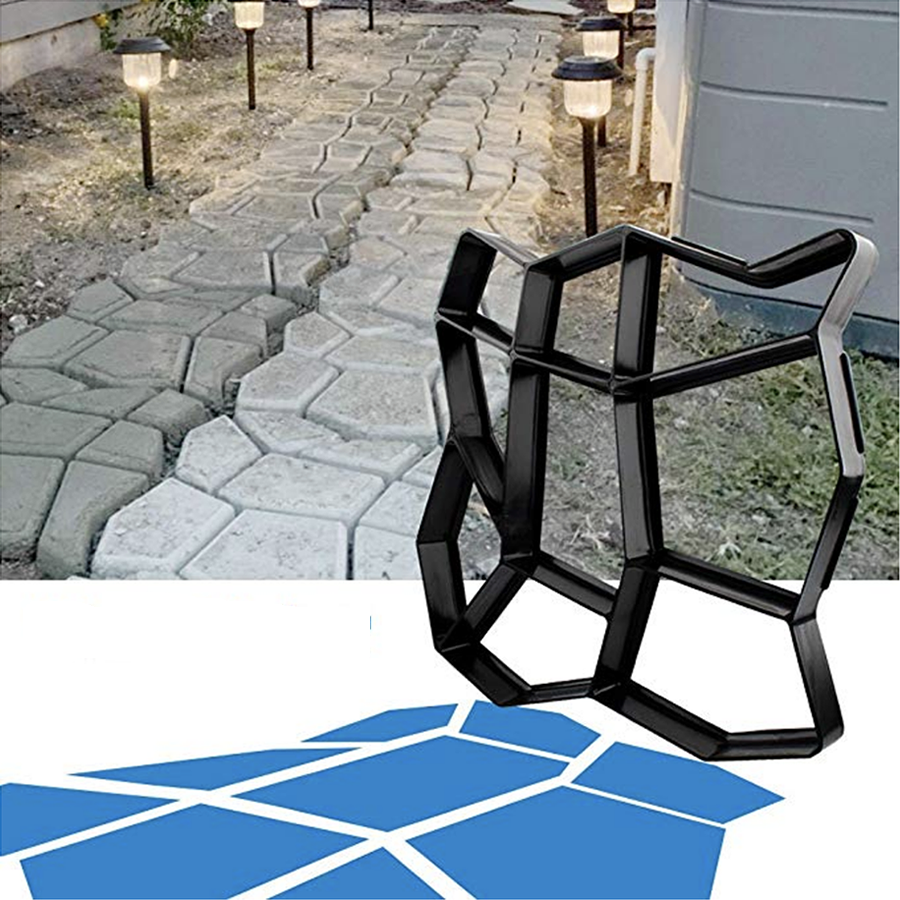
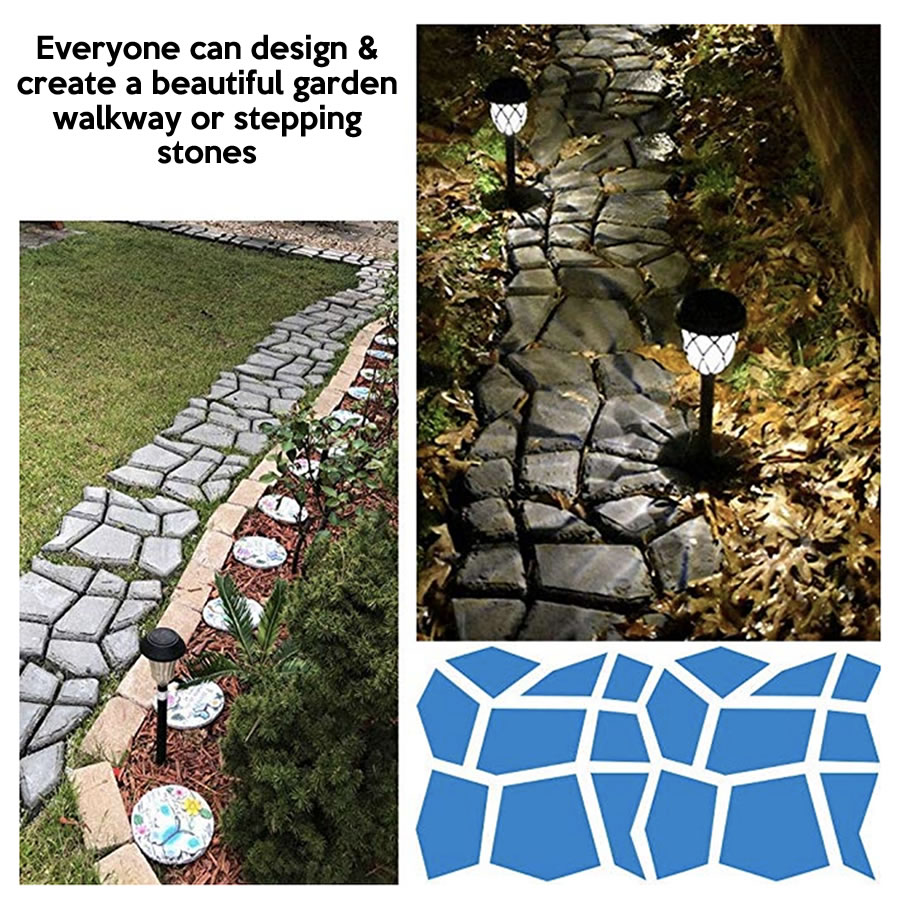
Reusable square, hexagon, irregular, zig-zag and interlocking brick paver moulds for paths, driveways, stepping stones and patios.
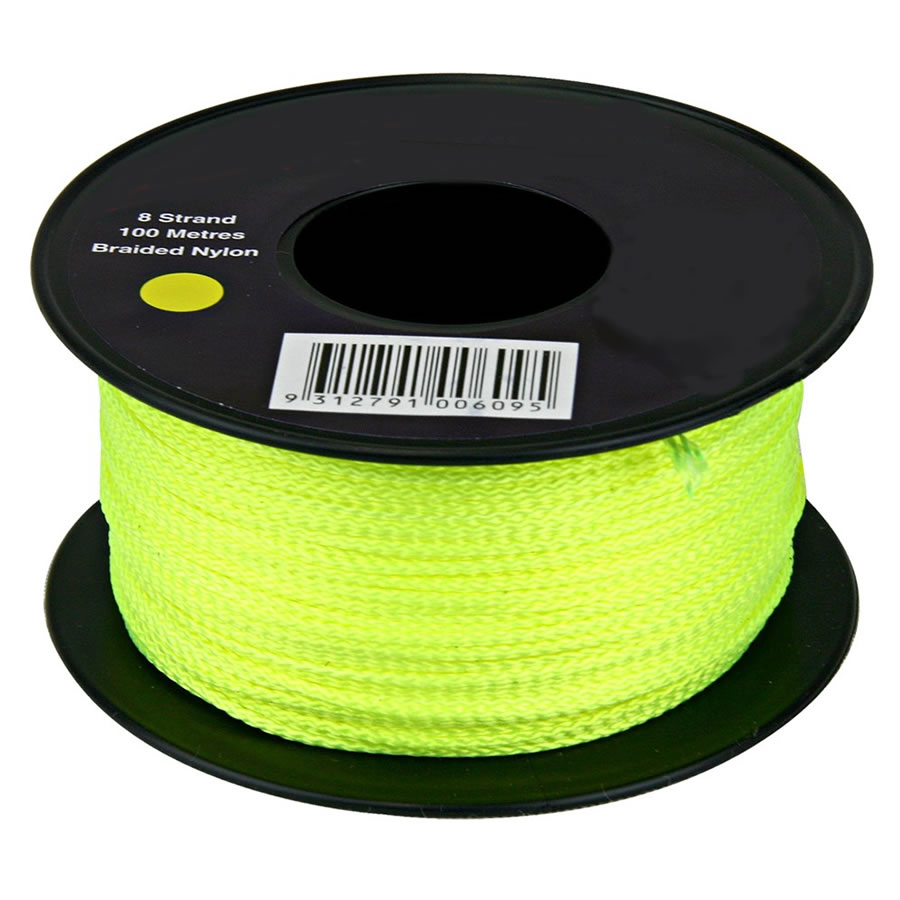
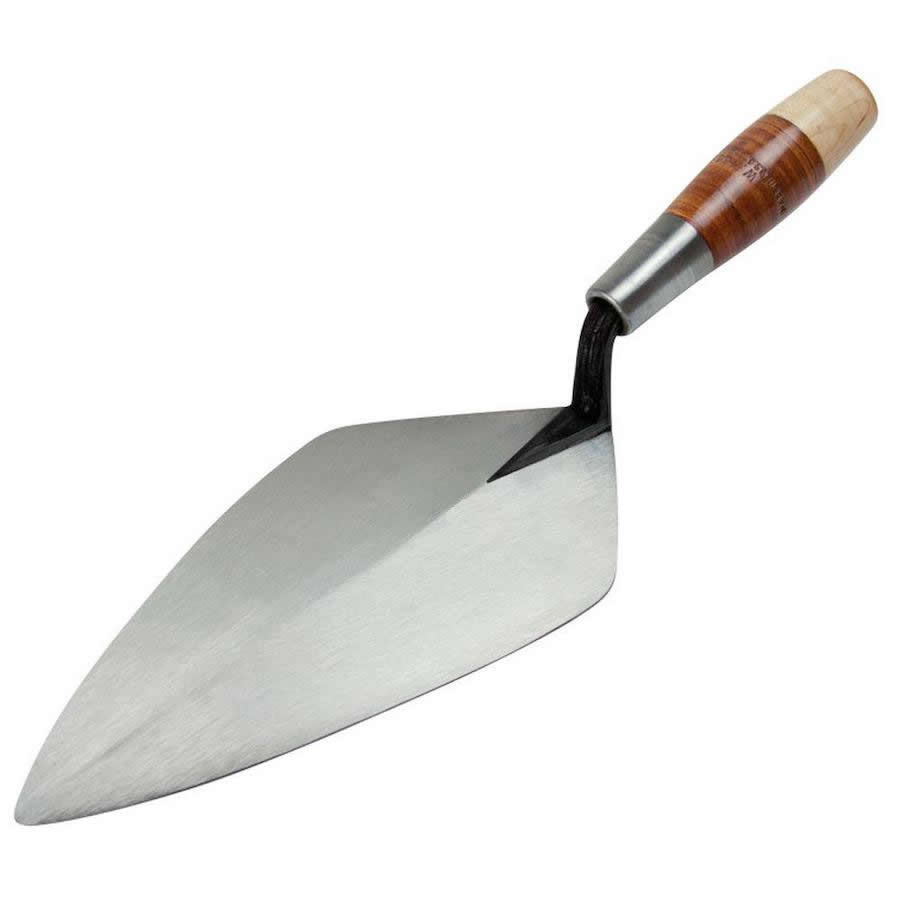
Builders string line and a concrete hand trowel for setting out and finishing the work.
Nothing matched that. , or ask us and we will tell you whether we can get it.
Transform Your Outdoor Space with Premium Concrete Paver Forms - DIY Made Easy
Transform your ordinary concrete projects into stunning professional looking pathways, patios, & outdoor spaces with our premium collection of concrete path molds and patio paving forms.
Fast delivery direct to your door all across Singapore
A paver mould stamps one pattern, so the shape decides how the finished area reads. The square mould gives straight, repeating edges. The hexagon tiles without a gap and suits a patio you want to look deliberate. The irregular mould outlines nine different stone shapes for a random, natural look, and it can be rotated so no two pours repeat. The zig zag and interlocking brick moulds give the blocks-of-stone effect people associate with block paving.
Before ordering, check the mould size against the area you are covering and the shape you want to see. Where a measurement or material is not published on the product page, ask us to verify it rather than assume it.
Pre-mixed concrete, water, a bucket and something to level with cover most of the work. A builders string line keeps a run straight over distance, and a hand trowel is what fills the corners of the mould and finishes the surface before you lift it. Both are in the Accessories category above.
How much concrete a pour takes depends on the type you buy and how you mix it, which is what this store's own answer to that question says. How quickly you can lift the mould and move to the next stamp area depends on the same thing, and is generally about two to three minutes.
Pigment mixed into the concrete gives the most durable colour, though a separate mixing bucket is needed for each colour you want. A dye can be painted or sprayed on and usually needs sealing, which can make the surface slippery when wet. Oil-based paint is an option; latex paint peels and is not.
We deliver across Singapore. Tracked delivery is free for orders of $60 or more, and a flat $22 delivery charge applies below that. An express upgrade is offered in the basket at $22 and is charged on every order that selects it. Orders are prepared within 2 working days and usually arrive up to 7 working days after that. Contact us before ordering when a measurement, material or condition matters and is not shown.
The complete guide
Have you ever walked through a neighborhood and been captivated by those perfectly patterned concrete pathways that look like they were crafted by professional masons? What if I told you that creating those stunning walkways and patios is easier than you think? With the right concrete path mold, you can transform your outdoor space into a masterpiece that rivals any professional installation.
Gone are the days when beautiful outdoor pathways required expensive contractors or years of masonry experience. Today's concrete paver forms have revolutionized the way homeowners approach outdoor design, making it possible to create professional-looking results with your own two hands. Whether you're dreaming of a charming garden path or an expansive patio area, understanding how to use these innovative tools can save you thousands while giving you the satisfaction of a truly DIY project.
Think of a concrete path mold as your personal pathway printing press. These ingenious tools are essentially templates that help you create uniform, professional-looking concrete sections that fit together like puzzle pieces. Instead of pouring one massive slab of concrete that can crack, shift, or look monotonous, you're creating individual pavers that have flexibility, character, and visual appeal.
A quality concrete path mold typically consists of durable plastic or rubber materials designed to withstand repeated use. They come in various patterns, from simple geometric shapes to intricate designs that mimic natural stone, brick, or even decorative tiles. The beauty lies in their simplicity: you place the mold, pour concrete, wait for it to set, and voila, you've got a perfectly formed section of your pathway.
The effectiveness of patio paving molds isn't just about convenience, there's real engineering behind their design. These forms create expansion joints between sections, which is crucial for preventing cracks as the ground shifts with seasonal changes. When concrete is poured as one continuous slab, thermal expansion and ground movement can cause unsightly cracks that are expensive to repair.
With individual paver sections created by concrete paver forms, each piece can move slightly without affecting its neighbors. This flexibility is like giving your pathway the ability to breathe with the earth beneath it. The result? A more durable, longer-lasting installation that maintains its appearance for years to come.
These are the workhorses of the concrete path mold world. Typically creating circular or square stepping stones, they're perfect for garden paths or areas where you want a more natural, spaced-out appearance. The beauty of stepping stone molds lies in their versatility, you can space them close together for a more formal look or spread them out for a whimsical garden path feel.
If you're looking for complete coverage without gaps, interlocking concrete paver forms are your best friend. These molds create pieces that fit together seamlessly, much like a jigsaw puzzle. They're ideal for driveways, large patio areas, or anywhere you need a solid, continuous surface with the flexibility benefits of individual pavers.
Want to make a statement? Decorative patio paving molds come in patterns that mimic expensive materials like natural flagstone, brick, or even intricate tile designs. These molds prove that you don't need to sacrifice style for affordability, you can have both.
Before diving into the world of concrete path molds, take a step back and really look at your space. Are you creating a narrow garden path that winds through flower beds, or are you building a large entertainment area? The answer will significantly influence your choice of patio paving mold.
For narrow pathways, smaller molds that create individual stepping stones might be perfect. They allow for curves and natural flow through your landscape. For larger areas like patios or driveways, you'll want bigger concrete paver forms that can cover more ground efficiently while still providing that professional segmented look.
Your local climate plays a huge role in choosing the right concrete path mold. In areas with significant freeze-thaw cycles, smaller individual pavers created by specialized molds perform better than large slabs. The individual pieces can handle ground movement without cracking, while larger pieces might develop stress fractures.
If you live in a consistently warm climate, you have more flexibility in your choices, but you'll still benefit from the expansion joint advantages that come with using patio paving molds instead of pouring one continuous slab.
Don't overlook drainage when selecting your concrete paver forms. Some molds create pieces with slight gaps between them, allowing water to drain naturally. Others create tight-fitting pieces that shed water more like a traditional slab. Consider your local rainfall patterns and soil drainage when making your selection.
Not all concrete is created equal, especially when you're working with concrete path molds. You'll want a mixture that's workable enough to fill all the details of your mold but strong enough to create durable pavers. A good general-purpose concrete mix with a PSI rating of at least 3,000 works well for most residential applications.
Consider adding a concrete plasticizer to your mix. This additive makes the concrete more workable, helping it flow into all the nooks and crannies of your patio paving mold while requiring less water. Less water means stronger concrete and fewer air bubbles.
While you can create beautiful pathways with basic tools, having the right equipment makes the process smoother and the results more professional. A good wheelbarrow for mixing, a sturdy shovel, and a float for smoothing are essential. Don't forget a level, even small variations in height can create tripping hazards or water pooling issues.
Concrete work involves caustic materials that can irritate skin and eyes. Always have safety glasses, waterproof gloves, and dust masks on hand. Concrete dust can be harmful when inhaled, and wet concrete can cause chemical burns on exposed skin. Your safety is worth more than any time savings.
Like any construction project, success with concrete paver forms starts with proper preparation. This isn't the glamorous part, but it's absolutely critical. Start by marking out your pathway or patio area and removing any grass, weeds, or debris. You'll need to excavate to a depth that accommodates your base material plus the thickness of your concrete pavers.
A typical installation requires 2-4 inches of compactable base material (like crushed gravel) plus the thickness of your finished pavers. This base layer is crucial, it provides drainage, prevents settling, and gives your pavers a stable foundation that will last for decades.
Once you've excavated your area, it's time to install your base layer. Spread your gravel evenly and compact it thoroughly. This step determines how level and stable your finished pathway will be. Take your time here, a few extra hours spent on proper base preparation can prevent years of maintenance issues later.
Use a plate compactor if you can rent or borrow one. Hand tamping works for small areas, but mechanical compaction is far more effective for larger projects. The base should be firm enough that you don't leave footprints when walking on it.
Now comes the fun part, using your concrete path mold to create beautiful pavers. Start at one end of your project and work systematically. Place your mold on the prepared base, making sure it's level and properly positioned. Some patio paving molds have alignment features that help you maintain consistent spacing and alignment.
Mix your concrete according to the manufacturer's instructions, erring on the side of a slightly stiffer mix rather than too wet. Wet concrete is harder to work with in molds and can result in weaker finished pavers.
One of the biggest advantages of using concrete paver forms is the ability to customize the appearance of your finished project. Concrete stains and integral color can transform basic gray concrete into something that looks like expensive natural stone. Apply stains after the concrete has cured, or mix integral color right into your concrete before pouring.
Texture additives can create surfaces that look and feel like natural materials. Sand, small aggregate, or specialized texture compounds can give your pavers grip for safety and visual interest that rivals expensive imported materials.
The mark of a professional installation is how well different sections blend together. When using multiple concrete path molds or transitioning from paved areas to landscape, planning these connections is crucial. Consider how your pathway will connect to existing structures like steps, driveways, or building foundations.
Modern outdoor spaces often include lighting, irrigation, or other utilities. Planning for these during your patio paving mold installation saves significant work later. Consider where you might want pathway lighting, electrical outlets, or water features. Running conduit or piping before installation is much easier than retrofitting later.
Concrete pavers created with quality concrete paver forms can last for decades with minimal maintenance, but some seasonal care keeps them looking their best. In areas with freeze-thaw cycles, inspect for any settling or movement after winter. Small adjustments to individual pavers are much easier than repairing cracked slabs.
Clean your pavers annually with a pressure washer or stiff brush to remove dirt, algae, and stains. This not only keeps them looking good but also prevents slippery conditions that can be safety hazards.
One advantage of using patio paving molds instead of continuous concrete slabs is that individual paver movement is easily corrected. If a section settles or shifts, you can often lift just that piece, add base material, and reset it. This flexibility is impossible with traditional concrete slabs.
While concrete path molds make DIY installation possible for most homeowners, some situations benefit from professional expertise. Large commercial installations, areas with complex drainage issues, or projects requiring specialized equipment might warrant professional installation even when using DIY-friendly molds.
Using concrete paver forms for DIY installation can save significant money compared to professional installation, but it's important to understand the true costs involved. Beyond the initial cost of molds and materials, consider tool rental, your time investment, and the potential need to redo work if mistakes are made.
The break-even point for most homeowners comes around 200-300 square feet. Smaller projects might not justify the tool purchases and learning curve, while larger projects offer substantial savings potential.
Quality concrete path molds can be reused multiple times, spreading their cost across several projects. Many homeowners start with a small pathway project and expand over time as they gain confidence and experience. The skills you learn and tools you acquire have value beyond just one project.
Modern concrete technology offers several environmentally conscious options for use with patio paving molds. Recycled aggregate, supplementary cementitious materials like fly ash, and even pervious concrete formulations can reduce the environmental impact of your project.
Pervious concrete allows water to drain through the pavers themselves, reducing runoff and helping recharge groundwater. While it requires special techniques and materials, it's an option worth considering for environmentally sensitive areas.
Concrete pavers created with concrete paver forms offer several environmental advantages over other paving options. They don't require the ongoing maintenance and replacement that some materials need, their light color reflects heat (reducing urban heat island effects), and they can be broken up and recycled at the end of their useful life.
Even with careful preparation and execution, you might encounter issues when using concrete path molds. Air bubbles, uneven surfaces, or color variations can occur. Many of these issues can be prevented with proper technique, but understanding how to address them when they occur saves frustration and material waste.
Minor surface imperfections often add character rather than detracting from the appearance. Don't aim for machine-perfect results, slight variations give handmade charm that many people prefer over manufactured uniformity.
Weather can significantly impact concrete work. Hot, dry conditions cause concrete to set too quickly, while cold weather can prevent proper curing. Rain during installation can ruin surface finishes and weaken the concrete. Understanding how to work with weather conditions or when to postpone work is crucial for success with patio paving molds.
While concrete paver forms are perfect for traditional pathways and patios, creative applications can transform ordinary spaces into extraordinary features. Consider using molds to create raised planters, garden borders, or even artistic installations that serve as both functional pathways and landscape features.
The key to creative applications is thinking beyond the obvious. Your concrete path mold can create components for water features, raised bed gardens, or even outdoor furniture bases. The durability and weather resistance of concrete make it suitable for countless outdoor applications.
Don't limit yourself to just one type of patio paving mold. Combining different patterns, sizes, and textures can create visually interesting installations that look far more expensive than their actual cost. Consider using larger pavers for main traffic areas and smaller, more decorative pieces for borders or accent areas.
The future of concrete path molds includes integration with smart home technology. LED strips embedded in concrete pavers can provide pathway lighting that's controlled by home automation systems. Heating elements can keep pathways ice-free in winter climates, and sensors can monitor traffic patterns or security.
New concrete formulations continue to emerge, offering improved strength, flexibility, and appearance options for use with concrete paver forms. Self-healing concrete that can repair small cracks, ultra-high-performance concrete with exceptional strength, and bio-receptive concrete that encourages moss growth for green installations represent the cutting edge of concrete technology.
Conclusion
Creating beautiful, professional-looking pathways and patios with concrete path molds represents one of the best values in home improvement. These versatile tools put the power of professional-quality installations in the hands of DIY enthusiasts while offering the flexibility to customize and expand projects over time.
Whether you're starting with a simple garden path using basic patio paving molds or planning an elaborate entertainment area with complex concrete paver forms, the principles remain the same: proper preparation, quality materials, and attention to detail. The investment in good molds pays dividends across multiple projects, and the skills you develop open up countless possibilities for enhancing your outdoor spaces.
The journey from plain concrete to beautiful, functional outdoor living spaces doesn't require a contractor's budget or years of experience. With the right concrete path mold and a commitment to following proven techniques, you can create outdoor spaces that enhance your property value while providing years of enjoyment. Start small, learn as you go, and before you know it, you'll be the neighbor others ask for advice when they're planning their own pathway projects.
Got questions?
Do Patio Paving Molds reduce cutting and installation errors? Yes, Patio Paving Molds produce uniform pavers , reducing the need for cutting, minimizing errors, and allowing for faster, cleaner installation while maintaining a professional finish .
Are Concrete Path Mold pavers durable for long-term use? Yes, pavers made from a Concrete Path Mold are strong, weather-resistant, and designed to handle foot traffic, light vehicles, and outdoor exposure , ensuring your pathways and patios remain durable for years.
Can Concrete Paver Forms be used to create multi-textured surfaces? Yes, Concrete Paver Forms allow you to apply broomed, smooth, or aggregate textures to pavers, adding visual interest, slip resistance, and a custom look to paths, patios, and garden areas.
How do Patio Paving Molds help maintain consistent paver size? Patio Paving Molds ensure every paver has the same dimensions , providing consistent joint spacing, alignment, and a professional appearance for pathways, patios, and garden features.
Can Concrete Path Mold products create decorative patterns for patios? Absolutely. Concrete Path Mold pavers come in multiple shapes, including square, hexagon, zigzag, and irregular , enabling homeowners and landscapers to design unique, visually appealing patio patterns .
Are Concrete Paver Forms suitable for both professional landscapers and DIY enthusiasts? Yes, Concrete Paver Forms are designed for ease of use, allowing both professionals and DIYers to produce high-quality pavers efficiently with consistent results for patios, paths, and garden projects.
Do Patio Paving Molds support interlocking designs for stability? Yes, Patio Paving Molds like zigzag and hexagon shapes interlock, creating stable, durable pathways that reduce shifting, enhance strength, and improve the longevity of walkways and patios.
Can Concrete Path Mold pavers be integrated with existing landscaping? Yes, Concrete Path Mold pavers can be laid alongside garden beds, lawns, or existing patios. Their modular design allows for seamless integration while maintaining consistent height and alignment .
How long does concrete take to set in Concrete Paver Forms? Concrete in Concrete Paver Forms typically sets enough to demold in 24–48 hours , depending on temperature and mix. Full curing takes about 28 days , ensuring pavers reach maximum strength for outdoor use.
Can Patio Paving Molds be used to create curved or winding paths? Yes, the molds are flexible enough to adjust placement slightly to form gentle curves or winding pathways , giving gardens a natural, organic flow while maintaining consistent, interlocking pavers.
Are Concrete Path Mold pavers easy to maintain? Yes, pavers made with a Concrete Path Mold are simple to clean with water or mild detergent. Their durable surface resists cracking and wear, making maintenance quick and straightforward for long-term usability.
Can Concrete Paver Forms handle coloured or textured concrete mixes? Yes, Concrete Paver Forms work with pigmented or aggregate mixes, allowing for custom textures and colours , giving pathways, patios, and stepping stones a unique and visually appealing finish.
Do Patio Paving Molds help create professional-looking edges? Yes, molds produce pavers with precise dimensions and clean edges , allowing for neat borders, well-defined pathways, and a polished finish that enhances the overall appearance of your outdoor space.
Can Concrete Path Mold products be used for patios and driveways? Yes, Concrete Path Molds produce strong, durable pavers suitable for foot traffic and light vehicles , making them versatile for patios, pathways, driveways, and garden features.
How do Concrete Paver Forms reduce installation time? Concrete Paver Forms create uniform pavers ready for placement, minimizing cutting and adjustment. Interlocking shapes also allow for faster alignment, saving time during both DIY and professional landscaping projects.
Can Patio Paving Molds be reused for multiple projects? Absolutely. Patio Paving Molds are durable and designed for repeated use, allowing you to produce dozens of pavers efficiently for patios, walkways, and garden projects while maintaining consistent quality.
Are Concrete Path Mold pavers weather-resistant? Yes, pavers cast from a Concrete Path Mold are durable, withstand sun, rain, and frost, and maintain their shape over time, making them suitable for outdoor applications in varying climates.
Can Concrete Paver Forms be used for irregular or freeform paths? Yes, Concrete Paver Forms include irregular molds for creating natural-looking paths. They provide stability while giving gardens a rustic, organic aesthetic without sacrificing durability.
How do Patio Paving Molds ensure even spacing between pavers? Patio Paving Molds are designed with uniform dimensions, allowing consistent joints between pavers. This ensures proper alignment, drainage, and a professional-looking layout for patios and walkways.
Can a Concrete Path Mold create modern and geometric patterns? Yes, Concrete Path Molds include square, hexagon, and zigzag designs, allowing the creation of contemporary layouts for patios, driveways, and garden paths with a clean, stylish, interlocking appearance.
Are Concrete Paver Forms suitable for DIY and professional use? Absolutely. Concrete Paver Forms are easy to use for DIY projects and scalable for professional landscaping, producing uniform, reusable pavers that look polished and durable in any outdoor setting.
Can Patio Paving Mold pavers be textured for safety? Yes, pavers made with Patio Paving Molds can have broomed, rough, or aggregate finishes , creating slip-resistant surfaces ideal for wet or high-traffic areas while maintaining visual appeal.
Do Concrete Path Mold products help reduce material waste? Yes, using a Concrete Path Mold ensures precise, consistent pavers , reducing offcuts and leftover concrete. This makes projects more efficient and cost-effective while achieving professional results.
How quickly can I produce pavers using Concrete Paver Forms? With proper preparation, a single Concrete Paver Form can produce 5–10 pavers per hour . Reusing multiple forms allows for efficient, high-volume production for patios, pathways, and garden projects.
Can a Patio Paving Mold create curved pathways? Absolutely. Patio Paving Molds are flexible for creating gentle curves. By slightly adjusting each mold’s placement, you can design organic, flowing pathways that integrate naturally with your garden layout.
Are Concrete Path Mold products suitable for high-traffic areas? Yes, Concrete Path Mold pavers are strong and durable when installed with a compacted base. Ideal for foot traffic or light vehicles, they provide a stable, long-lasting surface for gardens, driveways, and patios.
Can Concrete Paver Forms create decorative garden paths? Yes, Concrete Paver Forms allow you to craft custom patterns , including square, hexagon, zigzag, or irregular shapes. These forms add style and functionality to paths while maintaining stability and uniformity .
How does a Patio Paving Mold simplify outdoor projects? A Patio Paving Mold lets you cast interlocking pavers for patios and walkways, reducing the need for cutting and shaping. It ensures a consistent finish , making DIY or professional projects faster and visually appealing.
What is a Concrete Path Mold used for in landscaping? A Concrete Path Mold allows you to create uniform, durable pathways in gardens, patios, or yards. Its modular design helps produce consistent shapes quickly, giving a professional finish without needing advanced tools.
Yes, we use industry-standard encryption and secure payment gateways to protect your information.